
Last updated November 23, 2026
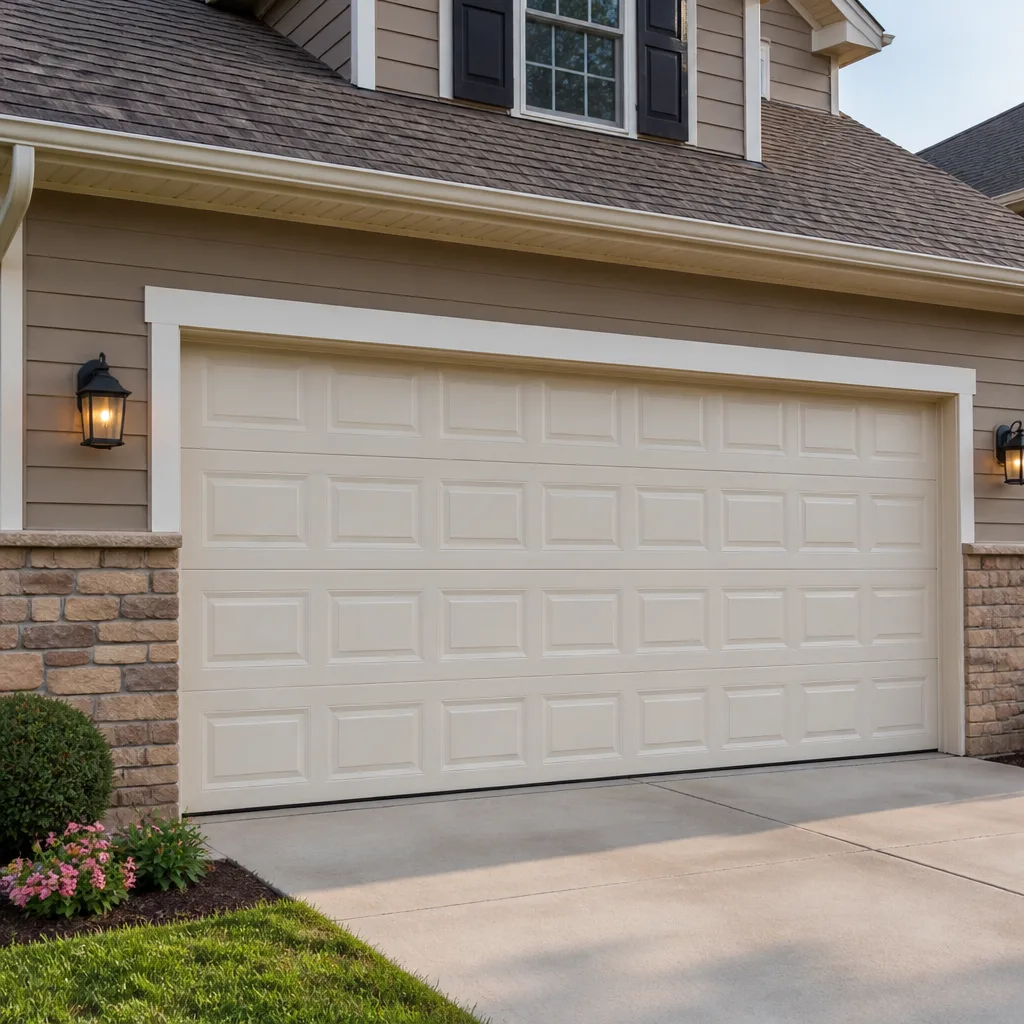 Raised-panel steel
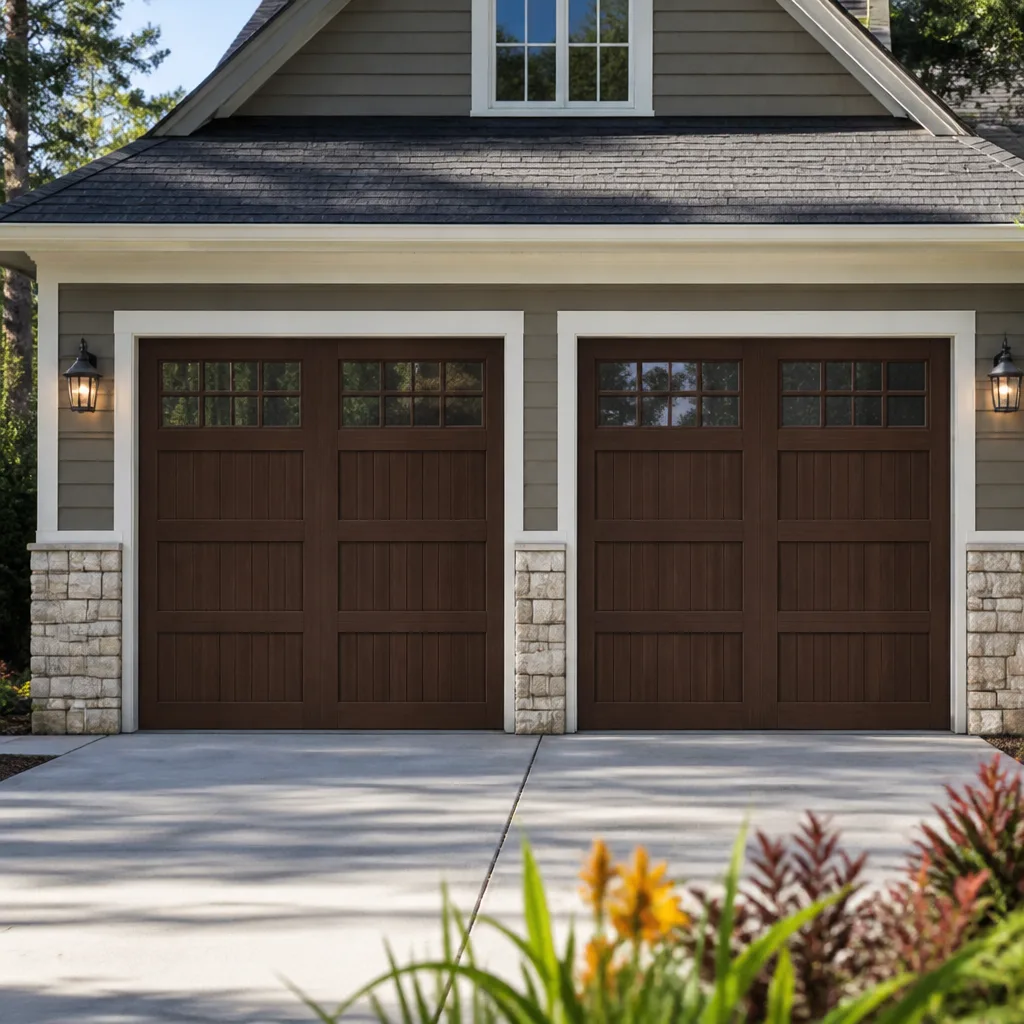
 Carriage house
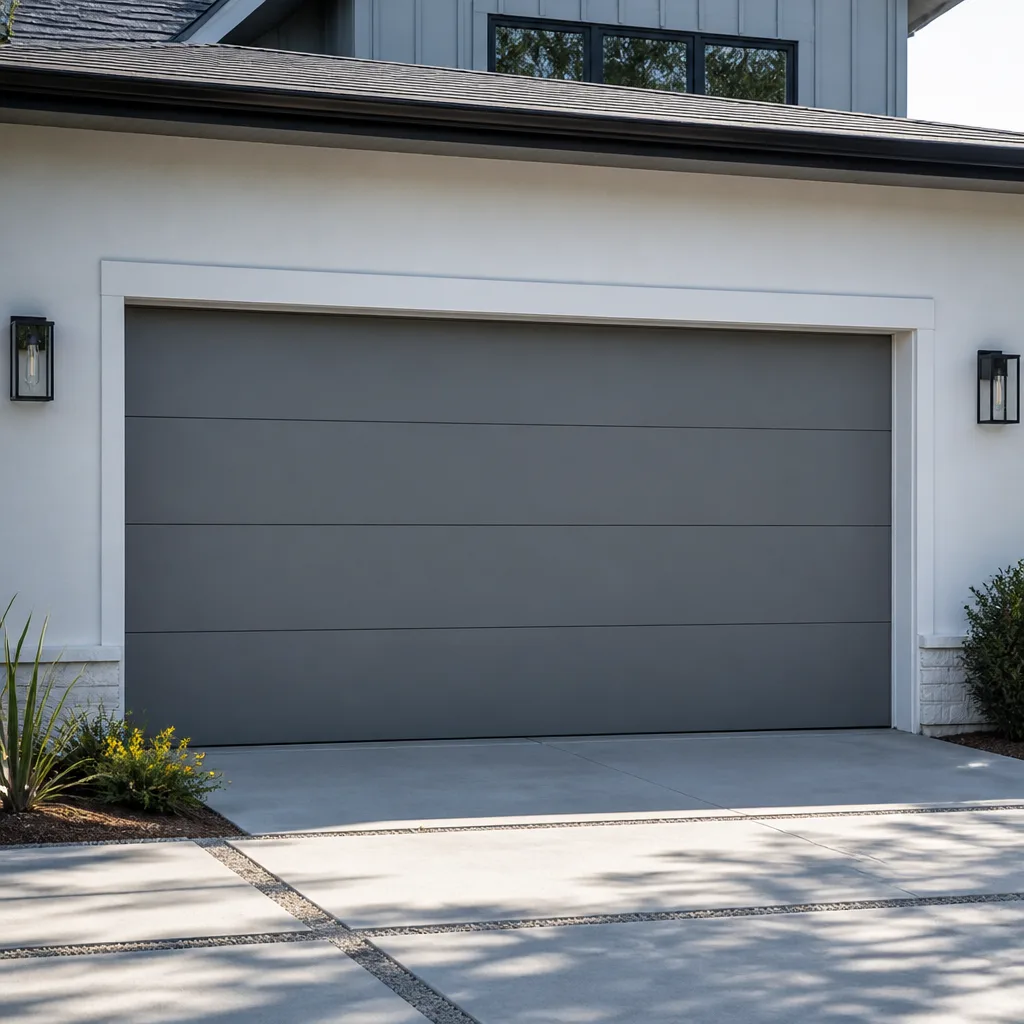 Modern flush
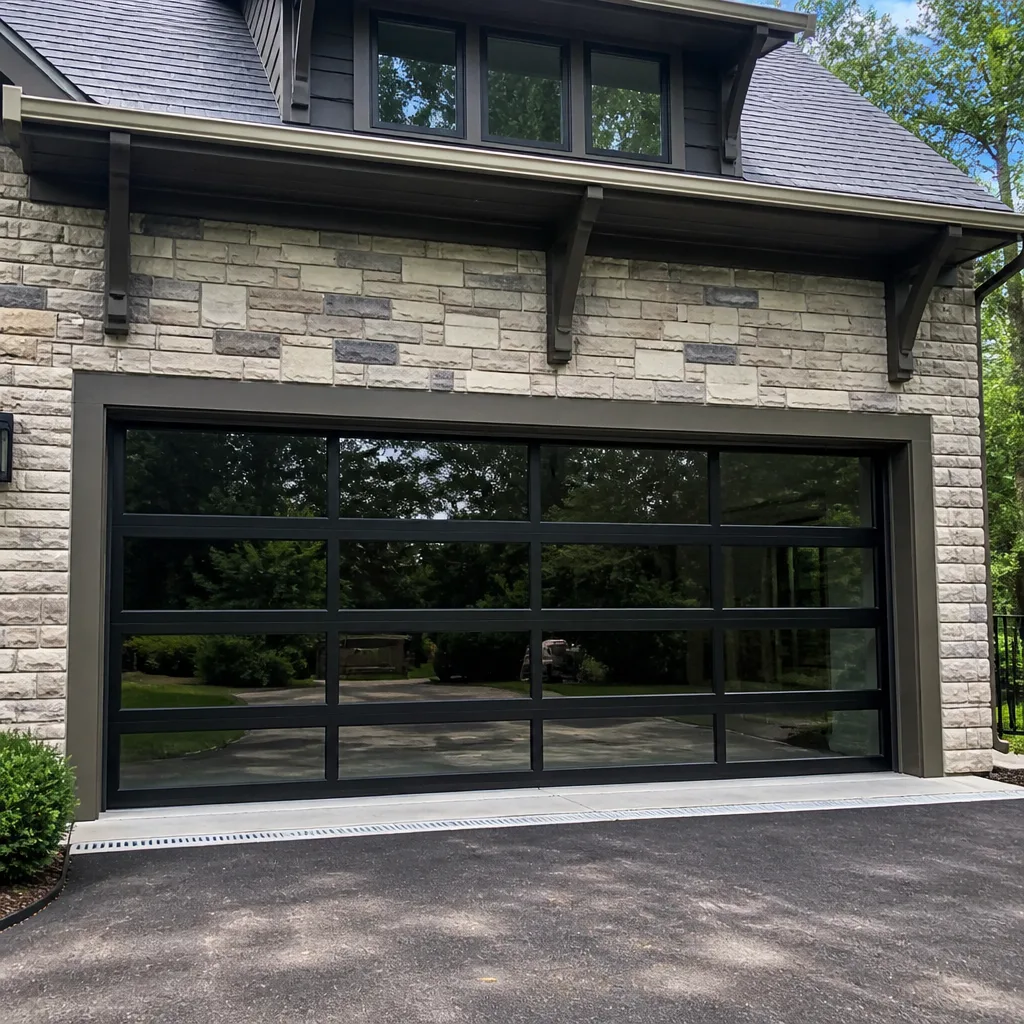 Full-view glass
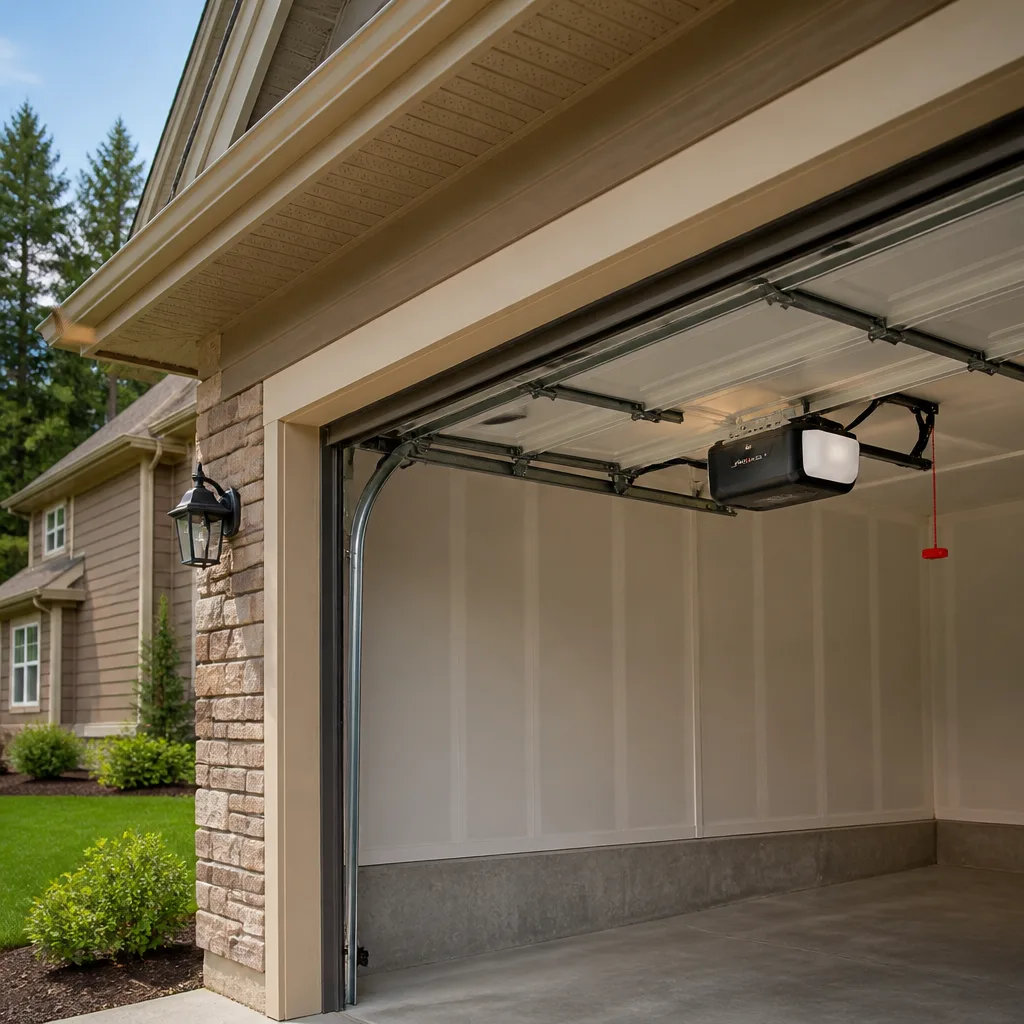 LiftMaster openers
 Chamberlain openers
Full 25-point door and opener safety check with every visit - springs, cables, rollers, tracks, and your LiftMaster or Chamberlain opener included
You get a price before we start. It does not change when the pro arrives.
Get your free estimateGarage Door Warning Signs: A Commerce City Homeowner’s Reference Guide
A garage door that’s “a little slow” in the morning isn’t being lazy. It’s telling you something, and the message is usually one of two things: the springs are losing tension, or the opener is working harder to push a door that’s gained friction. Those two diagnoses carry very different urgency and very different costs, and most homeowners can’t tell them apart until the door quits entirely. This guide is built to change that. We’ll walk through the sounds worth ignoring, the sounds worth reporting, the visual checks you can do from the floor with both feet planted, and where the line sits between “watch it” and “stop using it now” for a door on a Commerce City home.
Quick Answer
A garage door gives warning before it fails: grinding or popping sounds, a door that reverses on its own, visible cable fraying, a gap in the spring, or an opener that strains and flashes an error code. Slow movement and new noises mean schedule a checkup; a snapped spring, a hanging cable, or a door stuck open mean stop using it and call a professional.
Styles & brands we work with
- Raised-panel steel
- Carriage house
- Modern flush
- Full-view glass
- LiftMaster openers
- Chamberlain openers
Table of Contents
- The Severity Index: Schedule a Checkup vs. Stop Using the Door
- Normal Sounds vs. Diagnostic Sounds
- Visual Checks You Can Do From the Floor
- How Commerce City Temperature Swings Create False Positives
- Opener Error Codes and What They Mean
- Is It the Opener or the Door? How to Tell the Difference
- What to Tell a Technician When You Call
- Common Mistakes to Avoid
The Severity Index: Schedule a Checkup vs. Stop Using the Door
The single most useful skill in this whole guide is sorting a symptom into one of two buckets: keep using the door and book a visit, or stop running the door until someone qualified looks at it. Getting that call wrong in either direction costs you – either an unnecessary emergency, or a repair that turns into a much bigger one.
Here’s how we sort symptoms, and it’s worth saving this list:
Stop using the door now
- A snapped torsion spring. You’ll hear a loud bang and the door will suddenly feel impossibly heavy. Do not try to lift it by hand.
- A visibly frayed or hanging cable. Cables under tension can fail without further warning.
- The door came off its track or is hanging at an angle.
- The door is stuck open and won’t close – your home is unsecured.
- The door reverses immediately every time it meets the floor, or won’t reverse when it should. That’s a safety-system failure.
- Grinding metal on metal that’s getting worse each cycle.
Schedule a checkup, keep using it gently
- The door moves slower than it used to.
- A new squeak, rattle, or light hum that wasn’t there before.
- The opener strains or hesitates at the start of travel.
- One remote or the wall button works but the other doesn’t.
- The door doesn’t sit flush at the bottom.
- Rollers sound rough as they pass through the curve of the track.
The test we suggest: listen once, in the morning, before the rest of the day drowns it out. If a sound is new and repeatable, it’s real. If it appears once and never again, file it away. Most of what we’re called out to see in Commerce City falls cleanly into one bucket or the other once a homeowner knows which list to hold it against.
Normal Sounds vs. Diagnostic Sounds
A healthy garage door is not silent. It clicks when the opener engages, hums lightly as the motor runs, and makes a soft, even roll as the wheels track through the curve. Those are the sounds of a door doing its job. The problem is that the sounds that signal trouble start out at roughly the same volume, and that’s exactly what makes them easy to dismiss.
Here’s the plain-language difference, so you can describe what you’re hearing to a technician without feeling like you’re guessing:
- Click at the start or end of travel: normal engagement of the opener’s gear or a limit switch. Only worth mentioning if it’s loud, repeating, or new.
- Light, steady hum while the motor runs: normal. If the hum gets louder, harsher, or turns into a buzz, the motor is straining.
- Soft roll or woosh as the door moves: normal track contact. If it becomes a scrape or a squeal, a roller or hinge is likely worn.
- Grinding: metal-on-metal, usually a dry or worn bearing, a misaligned track, or a drive gear failing inside the opener.
- Popping or snapping that repeats: often a torsion spring starting to break down, or a cable jumping its drum.
- Rattling that’s worse in one part of the travel: loose hardware, a hinge with a worn pin, or a panel bolt backing out.
- A single loud bang with the door suddenly heavy: the spring has failed. That’s the stop-using-it-now call.
Something worth passing along: you don’t need to name the failing part. “It grinds on the way up, mostly the last few feet” tells us far more than a diagnosis attempt. And because older doors in Commerce City are often handled by crews that know the quirks of what’s installed – whether it’s a Clopay door on stock builders’ hardware or a Genie opener from an earlier remodel – that description lands with someone who’s already seen your setup before.
One more pattern worth knowing: a sound that echoes off the ceiling and sounds like it’s coming from the door is sometimes coming from the opener itself. If the noise continues for a second after the door stops moving, the source is almost certainly in the motor head above your car, not the panels.
Visual Checks You Can Do From the Floor
Not everything requires a ladder or a wrench. Several of the most important early warnings are visible without ever touching a moving part. Every check below is a look, not a repair, and that distinction matters. We do not recommend poking, adjusting, or testing any high-tension component by hand. Cables and springs are under enough load to cause serious injury, and we say that plainly because we’d rather you left them alone.
Here’s what to look at, in order:
- Cables, at the sides of the door. Look where each cable runs down the side and winds onto a drum. A healthy cable is straight and evenly wound. Fraying, a birdcage of loose wire, or a cable sitting off its drum is a stop-using-the-door finding.
- The spring, from below. Above the door, on the shaft, the torsion spring should look continuous. A clearly separated gap in the coil means the spring has broken. Look, don’t reach.
- The bottom seal. With the door closed, the rubber or vinyl seal should meet the floor evenly. A visible gap means weather and pests get in, and the door may not be sealing against the opener’s bottom limit.
- The tracks. Both vertical tracks should look parallel and clean. A bend, a kink, or a track that’s pulling away from the wall is a scheduling-a-repair finding.
- Hinges and rollers. Hinges should hang straight. Rollers should be round and solid, not flat on one side or cracked.
- The panels. Dents are cosmetic, but a panel that’s separated from its neighbor is a structural concern, and a bent bottom section can catch on the seal every cycle.
- Bolts at the hinges and brackets. Look for backing-out or missing nuts. Do not tighten anything while the door is under spring tension; note it and tell your technician.
That’s a five-minute walk-around, done from the floor, in good light. If your check turns up anything from the “stop using it now” list, the next step isn’t to try and fix it – it’s to call. Diagnostics over the phone are free, and if you’d rather not describe it, scheduling a garage door repair visit lets someone look at it with the same eyes you just used, plus a few years of pattern-matching behind them.
How Commerce City Temperature Swings Create False Positives
Commerce City sits at the edge of the plains, and the weather here can swing hard between morning and mid-afternoon, especially in the shoulder seasons. Those swings play real tricks on garage doors, and they’re responsible for a big share of the “it works fine now” calls we get.
The mechanism is simple. Metal expands and warms in the afternoon sun, then contracts overnight as the temperature drops. Rubber seals go stiff in the cold and soft in the warmth. Lubricants thicken when cold. Springs and cables lose a fraction of their tension as the metal chills, and the door’s total weight shifts slightly as moisture and temperature change. Openers set at a given force limit are calibrated for one condition and then asked to work in another.
What that produces is a set of symptoms you shouldn’t automatically read as failure:
False positives – the door is fine, the weather is not
- The door sticks on the way up in the early morning but works cleanly after 10am.
- The door reverses on cold mornings but doesn’t reverse by afternoon.
- You hear a light creak in freezing weather and nothing in the afternoon.
- The opener strains once when it’s very cold, then runs normally.
Real problems that show up first in cold
- The door gets progressively slower over several weeks, not just on the coldest mornings.
- A grinding or popping sound continues regardless of temperature.
- The door stalls at the same point on the track every time, warm or cold.
- You need to press the remote twice to get the door moving, no matter the weather.
The rule of thumb: a symptom that vanishes as the day warms and stays gone is a seasonal adjustment or a lubrication issue. A symptom that stays the same regardless of temperature, or that’s getting steadily worse across a few weeks, is a real problem and worth a look. If a cold-morning glitch has been repeating every cold snap, it’s still worth mentioning at your next visit, because a door that’s only marginal in the cold is usually on a path to being marginal in the summer too.
Opener Error Codes and What They Mean
Modern openers talk to you more than older ones did. If your garage opener has a wall-mounted control panel or an app, it may show a code or a pattern of blinking lights when the safety system trips. Those codes are your second-best diagnostic tool after your own eyes and ears, because they narrow down the cause before anyone picks up a tool.
Here’s what the common patterns tend to indicate across the openers most Commerce City homes run – LiftMaster and Chamberlain units, Genie openers, Craftsman models, and smart or WiFi-enabled openers that general handymen often won’t touch:
- A repeating flash on the safety sensors, or a “sensor” message on the panel: the safety beams are misaligned, blocked, or one sensor is failing. Sunlight hitting a sensor can also trigger this.
- An “obstruction” code after a partial close: the opener thinks it hit something. Check the bottom seal and the tracks, then the sensors.
- A “force” or “limit” code: the opener has hit its programmed force or travel limit. Often a sign of friction in the door, not the opener itself.
- A “motor” or “overload” style code after a strain: the motor ran against resistance too long. That points back to the door’s weight or the springs.
- A brief power or “communication” message: a wiring, battery, or control-panel issue rather than a mechanical one in the door.
Two things to keep in mind. First, the exact wording and code numbers vary by brand and model, so a quick read of the manual is usually worth the two minutes. Second, and this is important: an error code tells you what the opener thinks is happening, not what’s actually wrong with the door. A “force” error is just as likely to come from a stiff track or a failing spring as it is from the opener itself. Calling with the exact code is one of the best things you can do – it lets us judge whether the visit should focus on the operator or the mechanics, and whether a garage door opener repair is even the right repair to book.
If your opener is older and only has blinking lights, count them and note the pattern. Different brands use different light-blink codes, and a quick call to the phone line will usually sift it out in under a minute.
Is It the Opener or the Door? How to Tell the Difference
This is the question nearly every phone call starts with, and it’s the right one to ask. Most of the symptoms homeowners describe can come from either side of the equation, and knowing which side to investigate first saves a lot of guesswork.
Here are the questions we ask, and the answers that point toward one or the other:
- Disconnect the opener and try the door by hand. Most openers have a pull cord or release. With the door disconnected, a door that lifts smoothly and easily is probably fine mechanically, which points at the opener or its sensors. A door that feels nearly impossible to lift, or catches partway, has a mechanical problem – usually springs, tracks, or rollers – and the opener isn’t at fault.
- Do the safety sensors work? Wave a hand through the beams and listen for a click and a light change. A sensor or wire issue stops the door from closing but leaves opening fine. That points to the sensor circuit, not the door.
- Does the wall button work when the remote doesn’t? That points at the remote, its battery, or the radio receiver, not the mechanics. Try re-pairing before assuming anything is broken.
- Does the door run a few feet and reverse? That’s usually the force limit tripping early – often a door that’s picked up friction, not a failed opener.
- Is the door a little crooked or does it wobble? That’s mechanical, and no amount of opener adjustment will fix it.
When you’ve narrowed it down, our technicians are equipped to handle both halves of the problem on the same visit. Many homes in Commerce City run LiftMaster or Chamberlain openers with a Clopay or Genie door on stock builders’ hardware, and the technician’s read on what’s actually on your house makes a real difference. Our technicians have up to 13 years of experience, and if a fix is straightforward enough that the door and opener are both working by the end of it, most repairs are completed in a single visit.
What to Tell a Technician When You Call
The single biggest factor in getting a fast, accurate diagnosis is what you tell us before anyone rolls. The way to make a call useful is to arrive prepared with four things: what it’s doing, when it started, what it sounds like, and what you’ve already checked. That last one matters as much as the first three – it keeps us from sending someone out to recheck what you’ve already done.
A good script, in order:
- Symptom: “It grinds on the way up and reverses halfway down.”
- Timing: “Started about two weeks ago, but only on cold mornings at first.”
- Sound: “A metal-on-metal scrape, mostly in the last two feet of travel.”
- What you checked: “The bottom seal looks even. I didn’t touch the cables or spring.”
- The door type: “Single-car door, Clopay, with a Chamberlain opener.”
- The error code, if there is one.
If you can’t answer some of these, that’s fine. We’d rather hear a partial report than none at all, and half of what we do on the phone is turning a fuzzy description into a specific diagnosis. But the four you *can* answer will usually be enough to tell whether this is a same-day problem or a scheduled visit. That distinction matters: if a door is stuck open and the house isn’t secure, or a spring has snapped and the door is dangerously heavy, that’s a job for our emergency response – call us and note that the door is unusable now. If it’s a slow door or a new sound and the door is still operating safely, we’ll schedule a routine visit and get it on the calendar.
If you’re not sure which category you’re in, describe the situation and we’ll tell you honestly. The whole point of the severity index is to help you make that call with real information rather than a guess.
Common Mistakes to Avoid
- Assuming a slow door will get better on its own. A door that’s slowing down has a mechanical reason for it. Left alone, that reason usually gets worse – a worn roller becomes a bent track, a stretched spring becomes a snapped one.
- Reaching up to “test” or adjust a torsion spring or cable. These parts hold the door’s entire weight under high tension. A slip can be serious. Leave them to a trained technician with the right tools; that’s the one thing in this guide we won’t soften.
- Spraying whatever lubricant is in the garage on everything. The right lubricant on the right part is helpful. The wrong grease on a sensor, a nylon roller, or the opener’s gears can make the problem worse. Lower tracks, hinges, and rollers benefit most from light lubrication; sensors should stay clean and dry.
- Reading an opener error code as a diagnosis on its own. A “force” error doesn’t mean the opener is broken. Until someone releases the door and tests it by hand, you don’t know whether the problem is in the operator or the door.
- Ignoring a cold-morning quirk because it “works fine by afternoon.” In Commerce City, a door that’s only marginal at 25 degrees is on a track toward being marginal at 60 too. Note the pattern and act on it during a routine visit rather than waiting for it to fail.
- Letting a single symptom snowball into several. A grinding bearing, a stiff hinge, and a slightly off track are each minor. Left together, they can load a single spring or panel past what it was designed for. Repair the small things early and the big things rarely show up.
- Calling a general handyman for a spring or opener job. Spring work needs proper training and tooling. Opener repair on a current LiftMaster or Chamberlain unit needs someone who knows the system. Spring repair done safely, done right is a skilled trade, not a side project.
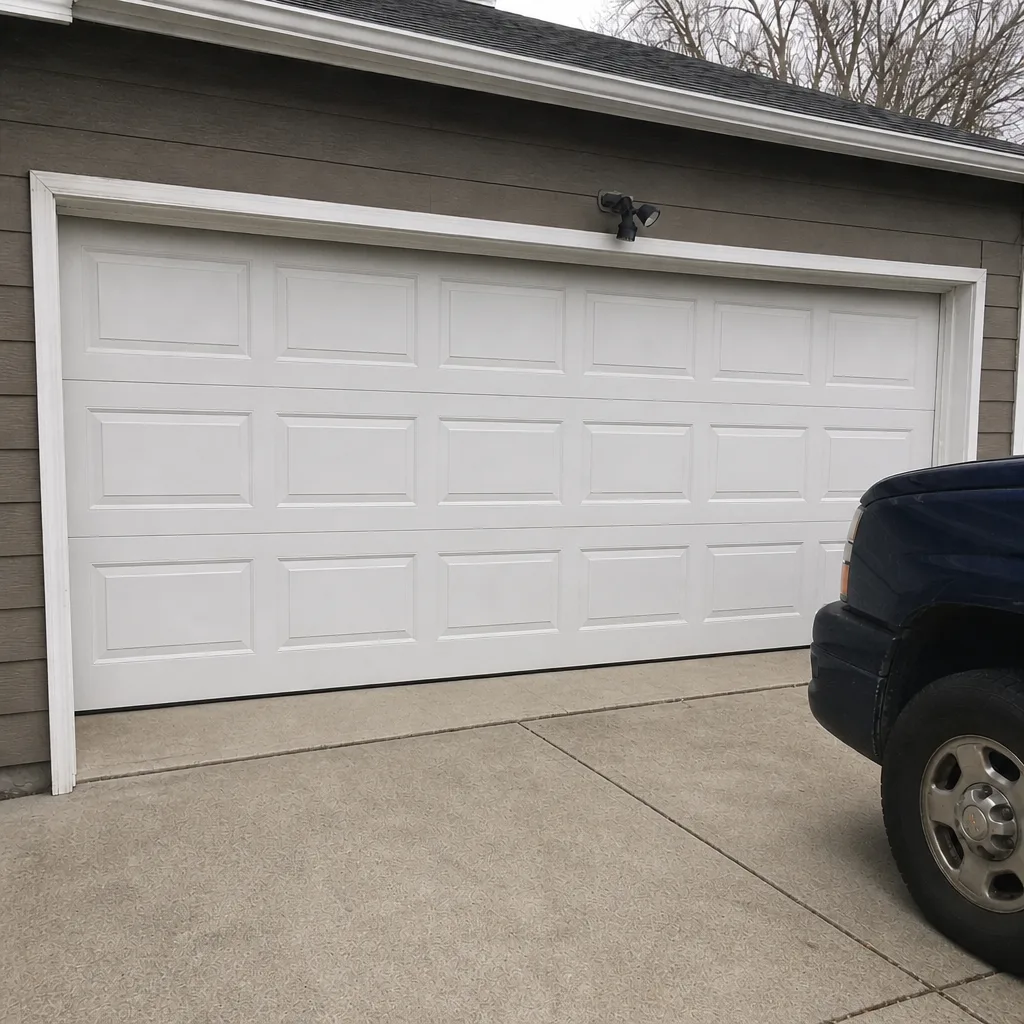
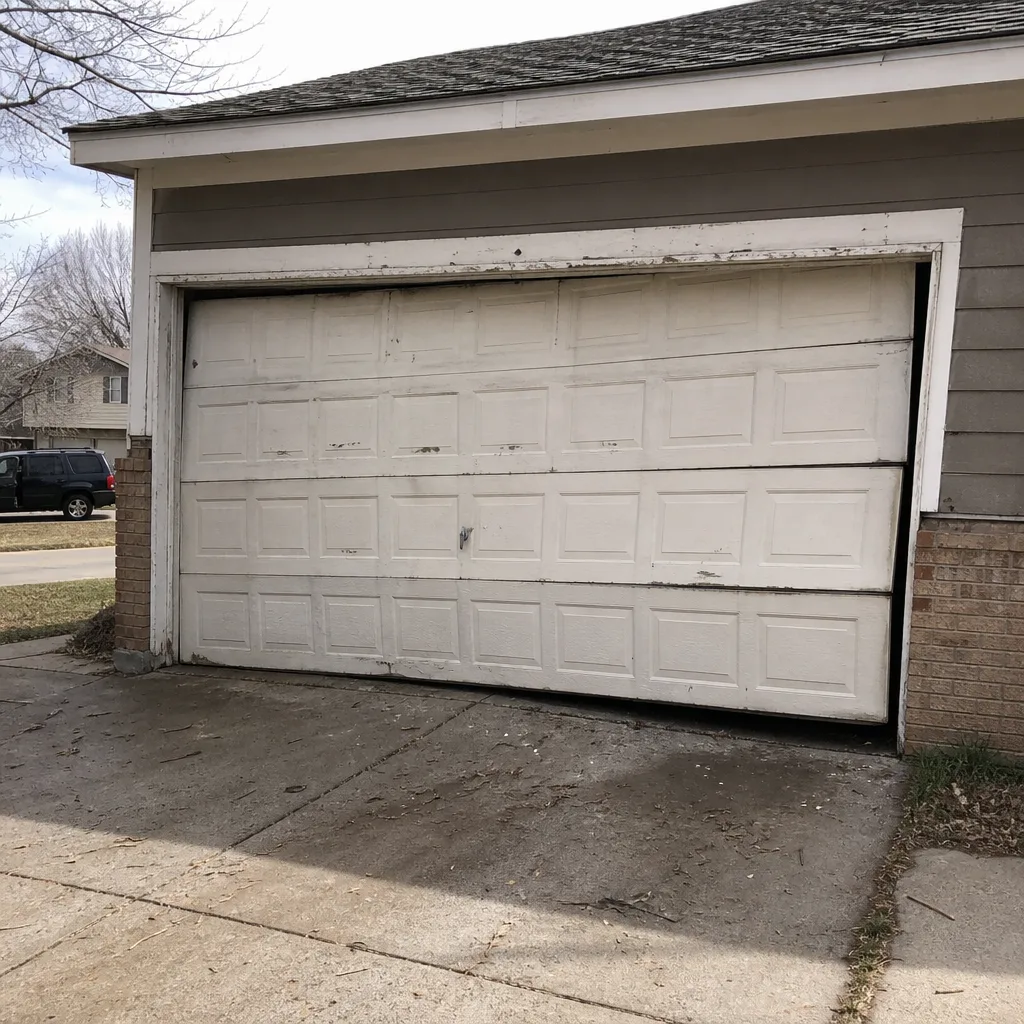
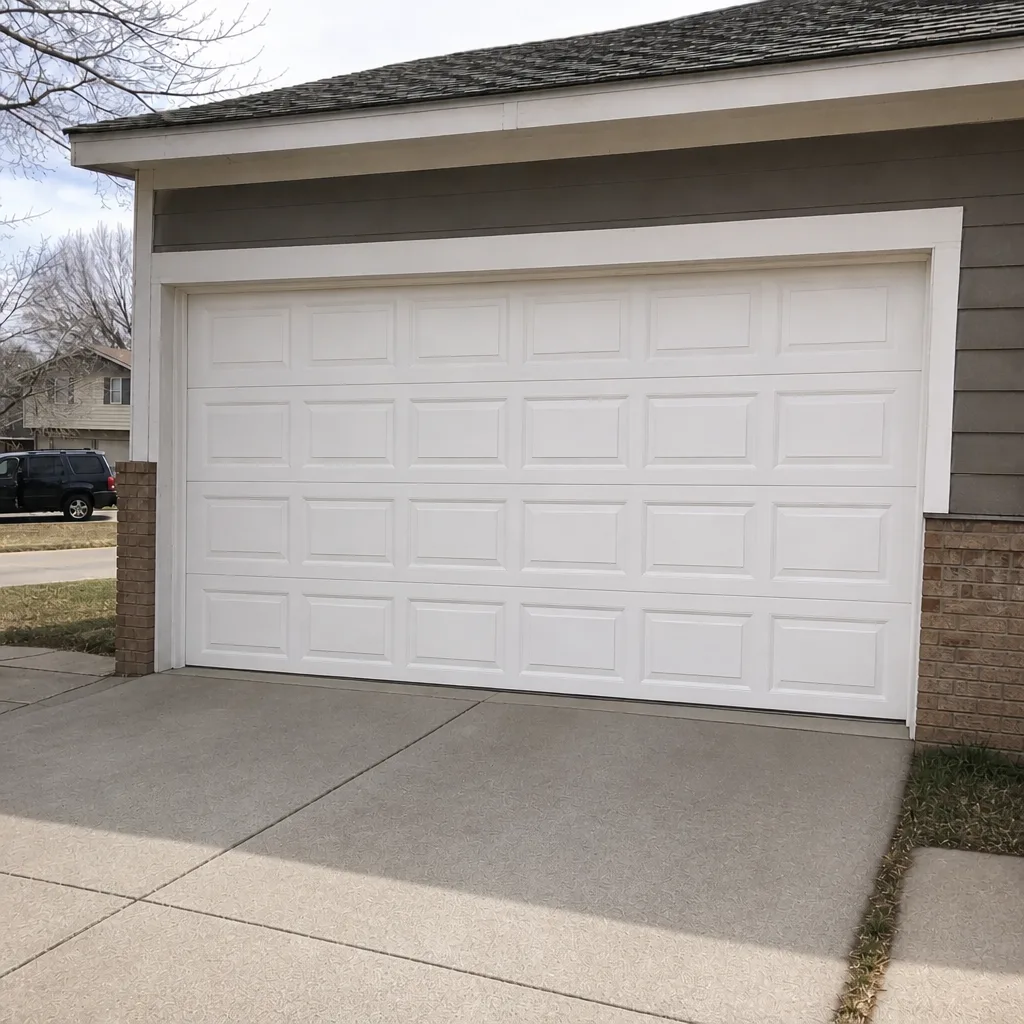
See the difference
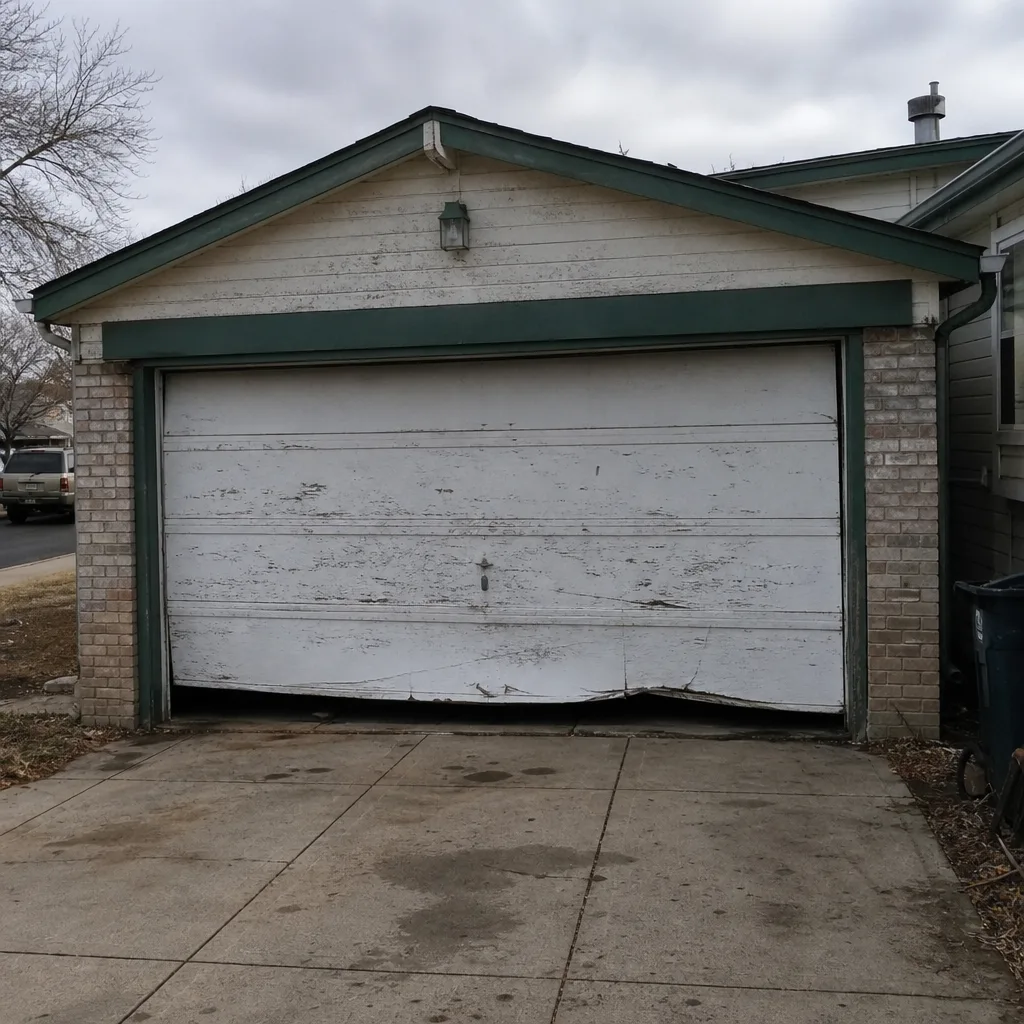 Before
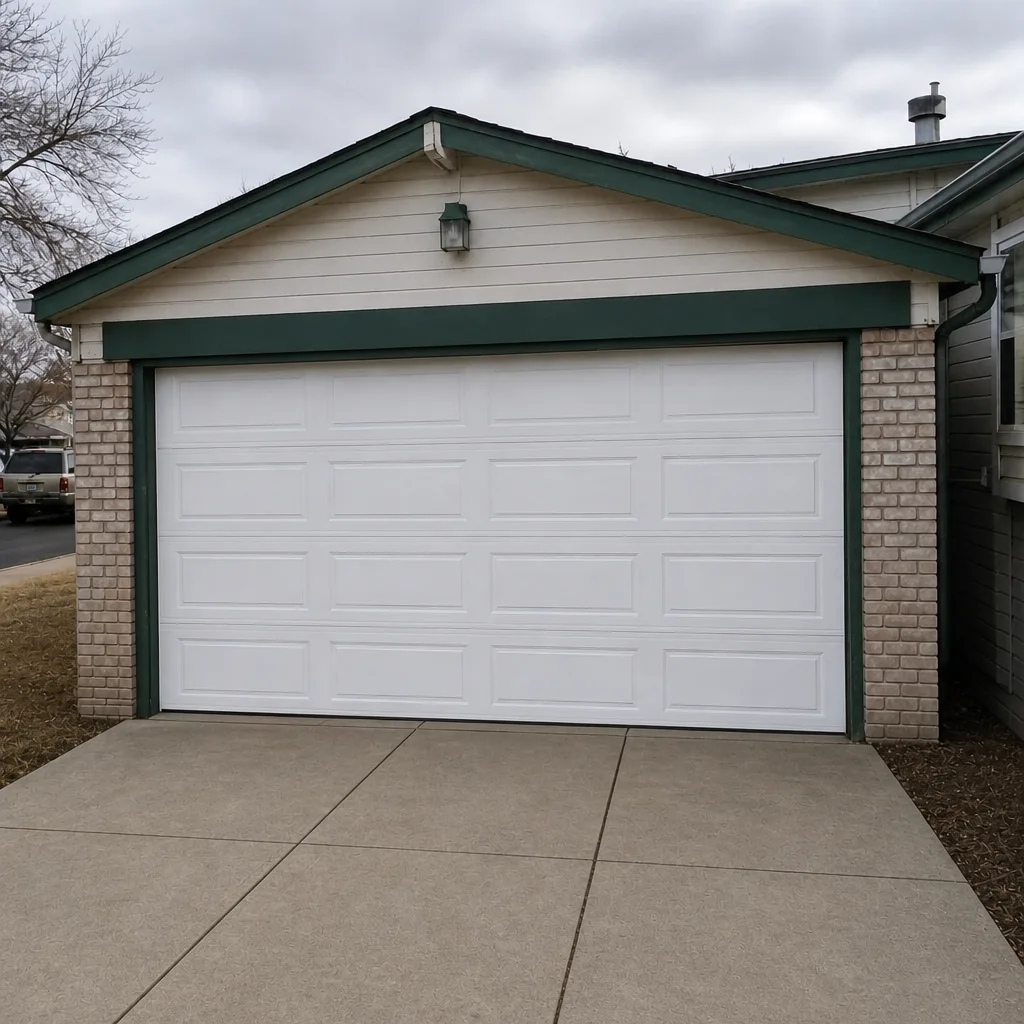 After
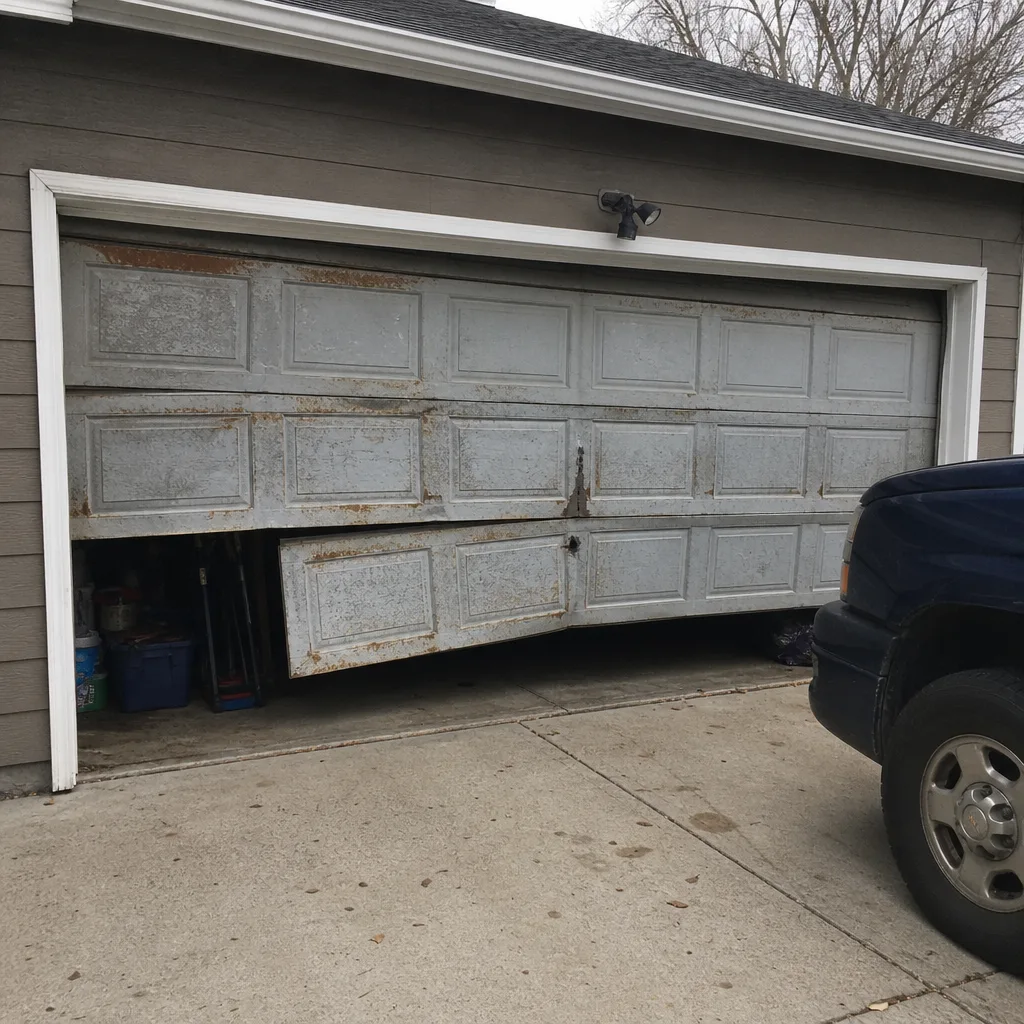 Before
 After
 Before
 After
When to Call a Professional
Some jobs are worth a call no matter how handy you are. If a spring has snapped, a cable is frayed or hanging, the door is off its track, or the door has become difficult to lift by hand, stop running the door and call. If the door is stuck open and your home is unsecured, or if it’s stuck closed and you can’t get a vehicle out, that’s a case for emergency response rather than a scheduled appointment. And if you’re seeing the early, mild signs from this guide – a slow door, a new grinding sound, a strain in the opener – that’s a good reason to schedule a checkup before the mild signs turn into the expensive ones. Commerce City Garage Door Repair Pros offers free estimates in Commerce City. Call (833) 482-6835. We answer 24/7, with fast dispatch from 7am to 7pm, Sunday through Friday.
Frequently Asked Questions
Slowing down and a new grinding or popping sound are the two earliest and most reliable warnings. Both usually mean the door is fighting friction or the springs are losing tension – and both are cheaper to fix before the door stops moving entirely. If you’re hearing it every cycle, book a checkup rather than waiting for it to get worse. Call (833) 482-6835 for an exact quote – estimates are free.
No. Do not run the door if you suspect a broken spring; the door may be too heavy to lift safely by hand and the opener can’t compensate. A snapped torsion spring is a stop-using-it-now situation, and it warrants a call to our emergency line rather than a scheduled appointment. Spring repair done safely, done right is exactly the kind of job we handle in-house.
Cold temperatures thicken lubricant, stiffen seals, and shift spring tension – all of which can slow a door in the morning and resolve as it warms. In Commerce City, that’s a common pattern and usually a sign of a door that needs adjustment or lubrication rather than a failure. If the sticking gets worse week over week, or appears in milder weather too, it’s worth a look.
Not automatically. Most error codes indicate a sensor, limit, or force issue, and many are caused by the door rather than the opener itself. The best next step is to note the code, release the door, and try it by hand – then call with what you find. We service LiftMaster, Chamberlain, Genie, and Craftsman openers, including smart and connected models.
If the noise stops the moment the door stops moving, it’s usually in the door: a roller, a hinge, or a track. If the noise continues after the door stops, or comes from above the door’s center, it’s likely in the opener. Either way, describing the sound – grinding, popping, rattling – in plain terms is enough for us to narrow it down.
Usually not. Most of the signals in this guide point to a repairable part: a spring, a roller, a hinge, a sensor, or a track adjustment. Replacement only comes up when the door’s structure is compromised or it’s simply past its useful life. If a new door is the honest recommendation, we’ll say so – and a garage door installation quote gets measured and written in advance, with no work starting before you agree to the price.
The Bottom Line
A garage door tells you it’s in trouble long before it actually quits, but only if you know which signals to listen for. Slow movement, grinding, popping, a visible cable issue, a gap in the spring, or an opener error code are all worth acting on. A snapped spring, a hanging cable, or a door that’s off its track warrants stopping the door entirely. Commerce City’s temperature swings can produce false positives, so watch for patterns rather than one-off morning quirks. If you’ve read something in this guide that sounds like your door, that’s the point at which a call is worth the five minutes. Call (833) 482-6835 with what you’re hearing and seeing; most repairs are completed in a single visit, and the price is quoted and agreed before any work starts.
If you’re looking for a single source for diagnostics, repair, and replacement, Commerce City Garage Door Repair Pros handles the full door lifecycle so you don’t need a second call. Emergency response is real when it needs to be, scheduled maintenance is routine when it doesn’t, and either way you get a written price before the first tool comes out.
Written by the team at Commerce City Garage Door Repair Pros.