
Last updated November 23, 2026
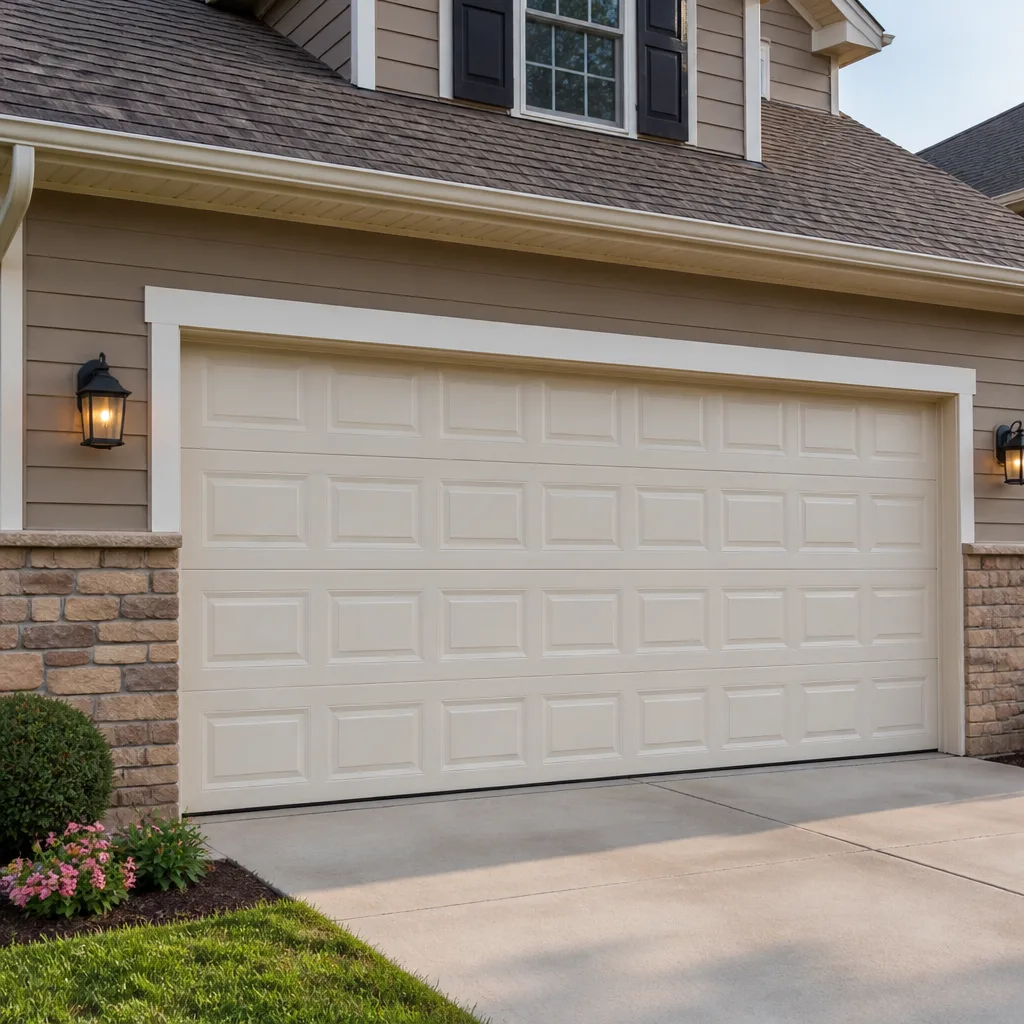 Raised-panel steel
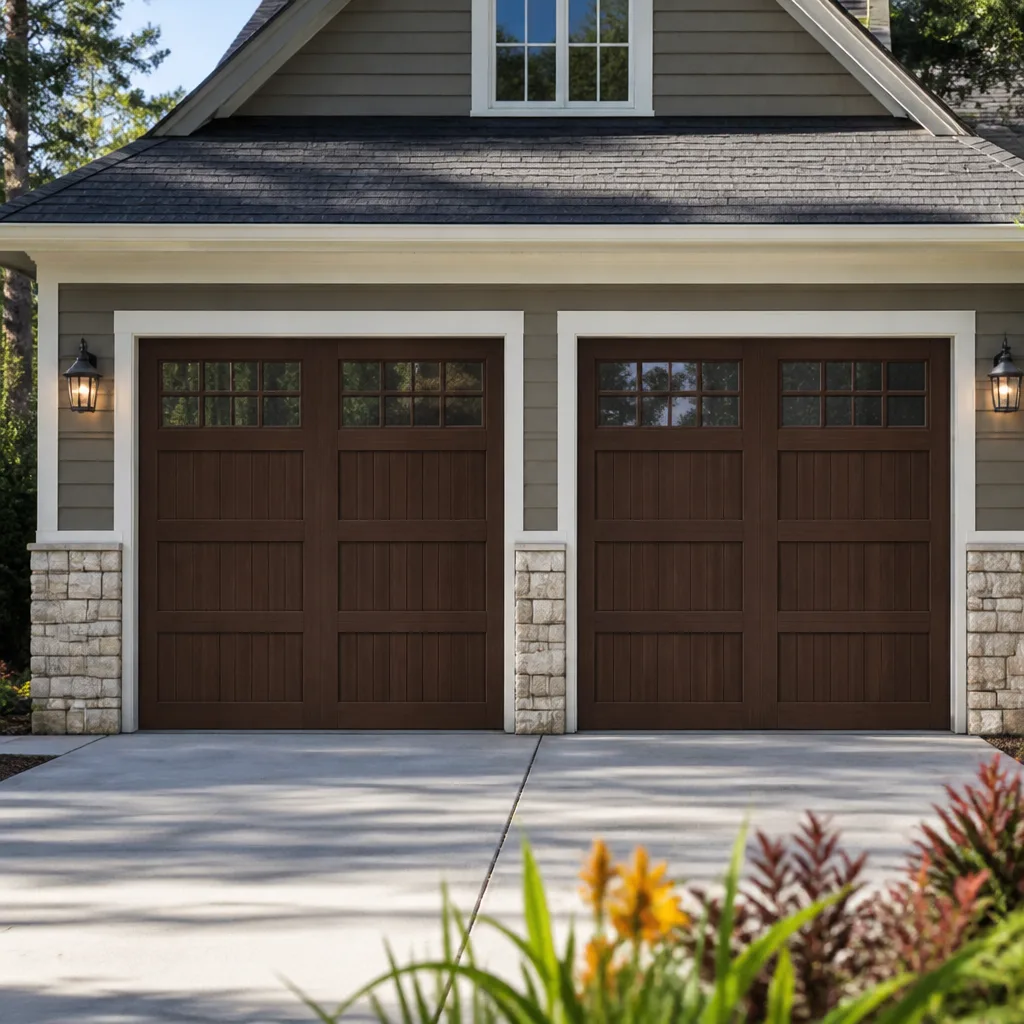
 Carriage house
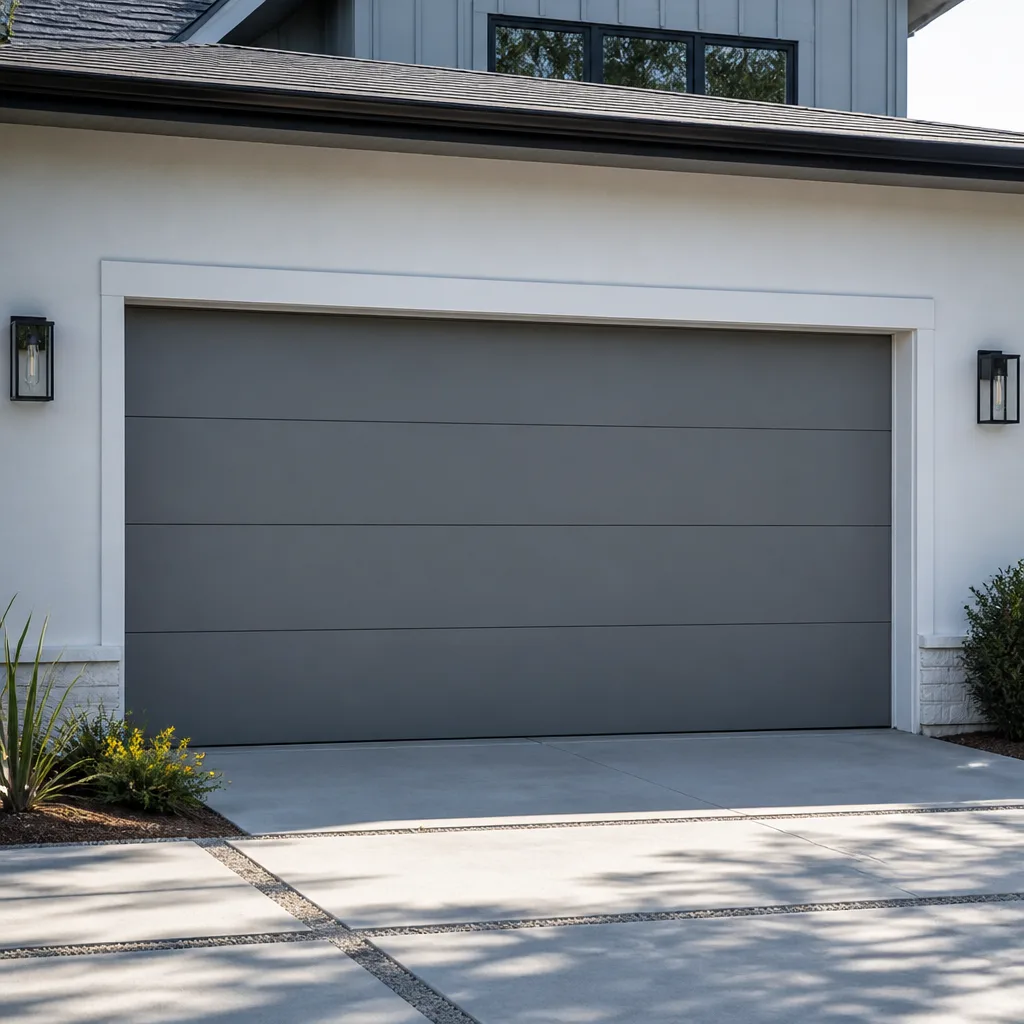 Modern flush
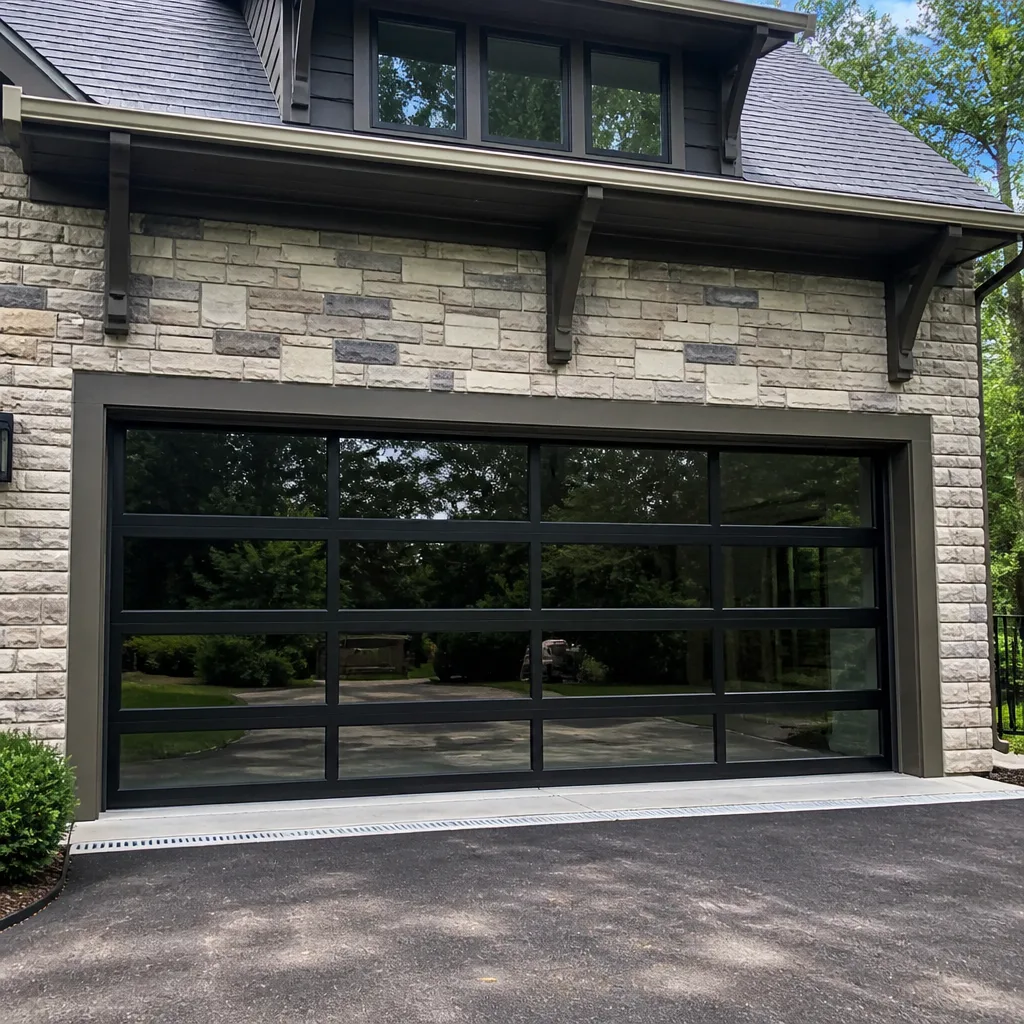 Full-view glass
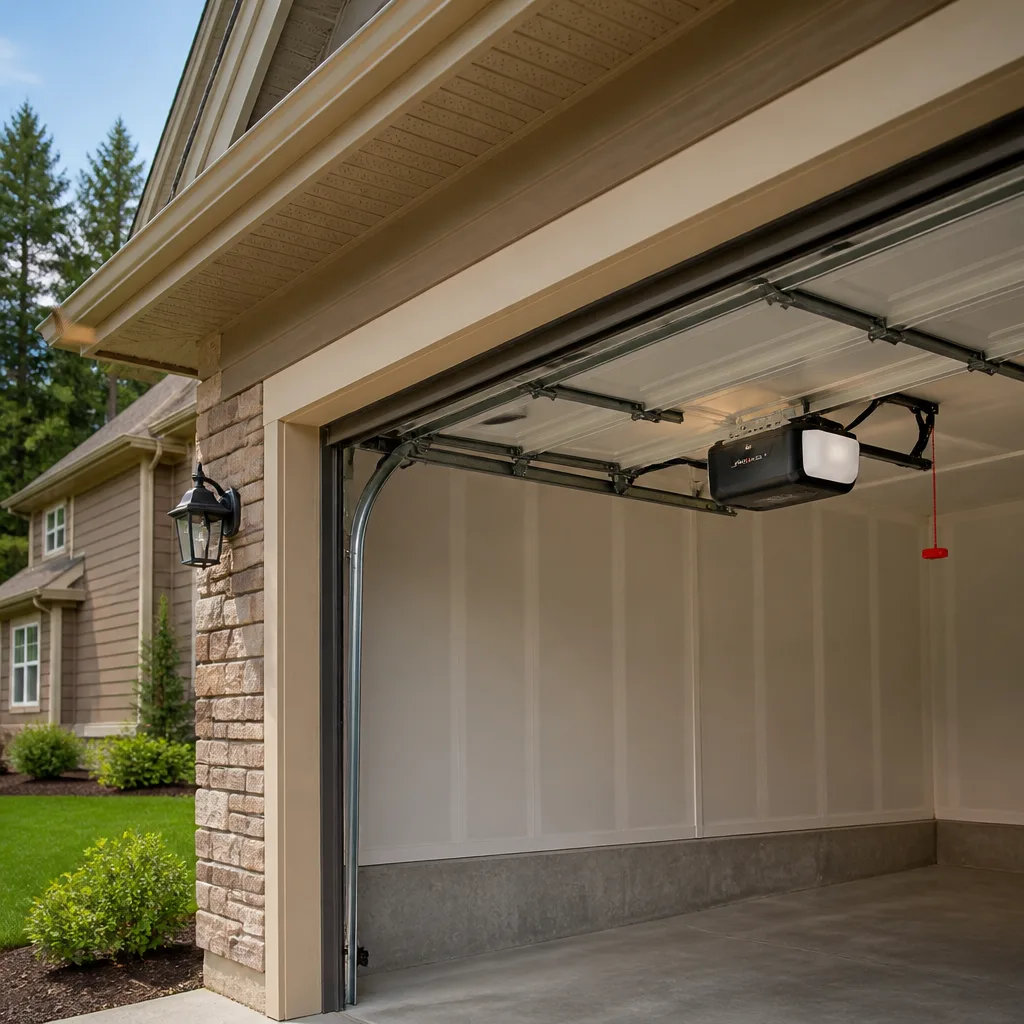 LiftMaster openers
 Chamberlain openers
Full 25-point door and opener safety check with every visit - springs, cables, rollers, tracks, and your LiftMaster or Chamberlain opener included
You get a price before we start. It does not change when the pro arrives.
Get your free estimateSeasonal Garage Door Care for Commerce City: Year-Round Homeowner’s Guide
Most homeowners treat garage door care like a calendar: check it in spring, lubricate it in fall, done. That approach misses what actually breaks doors here. Commerce City‘s spring isn’t a gentle thaw, it’s a rapid pressure cycle. A door that ran quiet all winter can suddenly bind or drop out of balance in March, and the cause usually isn’t the door at all. It’s the ground beneath it. Frost heave moves soil, soil moves the frame, and the frame shifts by as little as 1/8 inch, which is enough to throw rollers out of track.
This guide maps the specific tasks that matter in each of Commerce City’s four distinct mechanical stress seasons, why each one matters here, and what to leave to a trained technician.
Quick Answer
Garage doors in Commerce City need four different seasonal routines, not one repeated routine: a spring frame-and-track inspection for frost heave movement, a summer seal and weatherstrip check against UV damage, a fall lubrication and spring tension pass before the first freeze, and a winter freeze-release drill that keeps you from forcing a stuck door. Ninety minutes of seasonal care spread across the year prevents the majority of cold-weather breakdowns we’re called out for in Commerce City.
Styles & brands we work with
- Raised-panel steel
- Carriage house
- Modern flush
- Full-view glass
- LiftMaster openers
- Chamberlain openers
Table of Contents
- Spring: Frost Heave and the Frame Shift You Can’t See
- Summer: Why 300+ Sunny Days Punish Your Weatherstripping
- Chinook Winds and the Thermal Cycling Problem
- Fall: The Pre-Winter Check That Prevents Most Cold-Weather Failures
- Winter: What to Do When Your Door Freezes to the Floor
- A Year-Round Maintenance Calendar for Commerce City
- Warning Signs You Should Never Ignore
- Common Mistakes to Avoid
- When to Call a Professional
- Frequently Asked Questions
Spring: Frost Heave and the Frame Shift You Can’t See
Commerce City sits on expansive Front Range soils, and expansive soil does something specific after a hard freeze: it swells as it thaws. Ground beneath and around a garage slab moves. Sometimes it moves much. Often it moves a fraction of an inch. A fraction of an inch is all it takes to push a door frame marginally out of square. The door doesn’t fail immediately. It starts to drag.
That drag is the beginning of a chain reaction. A binding door puts side load on rollers that aren’t designed for it. Rollers wear unevenly, cables ride against their drums at the wrong angle, and by late spring you’ve got a door that’s grinding, hanging, or has a cable starting to fray. The original cause, a twisted frame, was invisible. The damage isn’t.
Here’s what to check in early spring, ideally before the first 60-degree week:
- Listen before you look. Open and close the door with the opener disconnected and the door on manual. Any grinding, rubbing, or clicking that wasn’t there in November is a signal.
- Look at the gap between the door panel and the frame. The gap should be consistent top to bottom on both sides. A gap that’s wider at the bottom on one side suggests the frame has moved.
- Check the track for plumb. Stand back and sight down each vertical track. If either one is leaning, even slightly, the rollers are riding at an angle.
- Test the balance. Raise the door manually to about halfway and let go. A properly balanced door stays put. A door that slides down on its own has a spring problem, and springs are the one component you should not adjust yourself.
- Inspect the concrete along the base of the frame. New cracks, a hairline gap under the sill, or soil that’s heaved up against the foundation all suggest ground movement under your garage.
If any of those checks come back wrong, the fix isn’t a bigger roller or a shot of lubricant. The fix starts with the alignment and works backward. That’s the kind of callout our garage door repair work handles regularly in Commerce City once the ground starts moving each spring.
Summer: Why 300+ Sunny Days Punish Your Weatherstripping
Rubber and vinyl weatherseals are not built to last forever in UV light. Every sunny day takes a small toll: the material loses plasticizers, stiffens, and eventually cracks. Most of the country gets 200 to 250 sunny days a year. Commerce City and the Front Range get more than 300. That’s roughly 20 to 40 percent more UV exposure than the national average, which means your bottom seal and perimeter weatherstrip are aging faster than the replacement schedule printed on the package would suggest.
A stiff bottom seal is a small problem with expensive consequences. It stops wiping the floor. Gaps open along the base, which lets in snow, water, insects, and cold air, but more importantly it lets the door slam metal-on-concrete, which transfers vibration into the panels and hinges. Vibration accelerates every other wear item on the door.
Mid-summer is the right time to check four things:
- The bottom seal. Run your hand along it. It should feel flexible, almost spongy. If it cracks when you bend it, it’s done. If it’s leaving black marks on the driveway, it’s breaking down.
- The perimeter weatherstrip around the jambs. Look for gaps between the rubber and the door face when the door is closed. Any daylight means air and water are getting in.
- The hinges. Heat expands metal. In Commerce City, a door that’s tight in winter can become marginally looser in July. Check every hinge for looseness and re-torque the bolts you can reach.
- The opener’s safety reverse. Place a 2×4 flat on the floor under the door and close it. The door should reverse on contact. If it doesn’t, the opener needs adjustment before anyone gets hurt.
Replacing a bottom seal is one of the cheapest parts of owning a garage door. On Clopay and Amarr doors, the seal is often a standard profile that’s easy to match. We’d rather see you swap a $25 seal every few years than replace a full door panel because water got behind a failed seal and rotted the bottom section.
Chinook Winds and the Thermal Cycling Problem
Chinook wind events are a Commerce City signature. A warm, dry wind can push afternoon temperatures up 30 or 40 degrees above the previous morning, then the front passes and the mercury drops back below freezing overnight. A garage door is metal, and metal expands when warm and contracts when cold. A door that lives in a stable climate sees maybe one big swing a month. A door in Commerce City can see two or three in a single week.
Repeated thermal cycling produces predictable failure points:
- Hinges work loose. Every expansion and contraction shifts the metal panels slightly against the hinges. Fasteners that were torqued a year ago come loose a quarter turn at a time.
- Panel seams open. Section joints on multi-panel doors show gaps as the panels move independently. Those gaps let in water, which then freezes and pries the seams further apart.
- Springs fatigue irregularly. A torsion spring under consistent load fails predictably. A spring loaded and unloaded by dozens of thermal swings per month wears differently. Torsion springs are the ones we see break earliest in Commerce City homes.
- Opener motors strain. The opener has a break-in and run-in cycle on every open and close, and rapid temperature swings also change the door’s friction. Older openers, particularly legacy LiftMaster and Genie units, start to show early failure of their gears and limit switches.
You can’t stop the wind. You can keep fasteners tight, keep hinges lubricated with a lithium or silicone spray rather than WD-40, and have the spring tension checked before the season of thermal swings. That’s the practical answer, and it’s the same advice we give homeowners in Commerce City before a chinook week.
Fall: The Pre-Winter Check That Prevents Most Cold-Weather Failures
Most cold-weather breakdowns are set up in October. A door that goes into winter with a dry hinge, a slightly loose cable, and a spring that’s lost 5 percent of its tension will not survive the first hard freeze. A door that goes into winter lubricated, aligned, and properly tensioned usually will.
Fall is the single most important maintenance window in Commerce City. Here’s the routine:
- Lubricate everything that moves. Rollers, hinges, the torsion bar bearings, the center bearing plate, the lock bar (if you have one). Use a garage-door-rated lithium spray or silicone, not a general-purpose oil. White lithium is fine; the key is a lubricant that stays where you put it in cold temperatures.
- Do NOT lubricate the tracks. This is the most common mistake we see. Tracks collect dust and grit, and adding lubricant just glues the grit in place. Wipe the tracks clean with a dry rag instead.
- Check the spring tension. Stand in front of the door, disconnect the opener, and lift the door halfway. If it doesn’t hold, the springs have lost tension and need adjusting. This is a technician job. High-tension springs under load can cause serious injury, which is why spring work belongs to someone trained for it.
- Test the door’s weather seal. Close the door and look for daylight along the bottom and both sides. Any gap will be a freeze point in January.
- Clear the track channels of grit. Sediment, leaves, and insect nests collect in the track channels over summer. A dry cloth and a small brush get them out.
- Have the opener serviced. If the opener is more than ten years old or has been running hard through summer heat, a checkup in fall is cheap insurance against a mid-winter failure.
If any of the six steps above turn up a problem, get it fixed before the first freeze, not after. A broken spring in late October is a modest repair. A broken spring on a snowing Tuesday in January is a stranded car. Our garage door opener repair work picks up a lot of these fall cases when homeowners notice the opener straining a week or two before the first freeze.
Winter: What to Do When Your Door Freezes to the Floor
It happens every winter in Commerce City. The door seals fine, but overnight the bottom seal or a bit of melted snow freezes to the concrete. In the morning, the door won’t budge. That’s when people do the expensive thing.
The expensive thing is forcing the door. The opener pulls, the door doesn’t move, and something gives. Usually it’s a roller that jumps track, a hinge that tears out of a panel, or a torsion spring that fails from the sudden load. Forcing a frozen door is the most expensive mistake a homeowner can make in January, and the good news is that it’s also the most predictable one to avoid.
Here’s what to do instead:
- Disconnect the opener first. Pull the red release cord. Now the opener can’t strain against a stuck door.
- Identify where it’s stuck. Lift up gently on the bottom edge by hand. If the door lifts a little and then stops, the bottom seal is frozen to the concrete. If it doesn’t lift at all, ice is probably inside the track.
- Break the seal with warm water. A pan of warm (not boiling) water poured along the bottom seal will free the rubber from the concrete. Do not use a heat gun, a torch, or de-icer spray on the seal itself; the chemicals and heat damage the rubber.
- Clear ice from the tracks with an ice scraper if the door is stuck in the tracks. Do not hammer, chip, or use a shovel blade against the track. Warped track is expensive.
- Wait for it to release. If the door won’t come free, don’t force it. Books and shoulders make it worse. Call a technician.
Once the door is free, dry the seal and re-close gently. Then fix the underlying cause: either a failing bottom seal that’s absorbing water, or a driveway that’s pooling water at the door and freezing. A seal replacement in February is easier and cheaper than a panel replacement in March.
A Year-Round Maintenance Calendar for Commerce City
Here’s the schedule we recommend to homeowners in Commerce City. Print it, tape it inside a garage cabinet, and check the boxes as you go. Ten to fifteen minutes per month through most of the year is enough.
Monthly (year-round)
- Open and close the door once a week to keep everything moving.
- Wipe the tracks clean with a dry cloth.
- Look for obvious problems: frayed cables, bent rollers, daylight gaps.
March or April (spring thaw)
- Frame alignment and track plumb check after frost heave.
- Balance test on manual.
- First full lubrication of the year.
June or July (mid-summer)
- Bottom seal and perimeter weatherstrip inspection.
- Hinge torque check.
- Safety reverse test on the opener.
September or October (pre-freeze)
- Full lubrication pass on rollers, hinges, bearings.
- Spring tension check by a technician.
- Weather seal inspection and replacement if needed.
- Opener service if the unit is aged.
December through February (winter)
- Listen for unusual noise first thing in the morning after a cold snap.
- Clear ice and snow from the door threshold before opening.
- Do not force a frozen door. Break the ice, then open.
If you’re a small landlord with several Commerce City properties, this schedule runs the same way for each unit. The only difference is the winter step gets more important: a tenant with a broken door on a January morning will call you, and the fix that day is far cheaper than repairing the damage a forced opener leaves behind.
Warning Signs You Should Never Ignore
Some garage door problems are cosmetic. Others are early warnings that a component is about to fail, sometimes catastrophically. Here’s the short list of signals that tell you to call a technician now rather than scheduling one for later:
- The door slams shut or feels “loose” in the middle of its travel. That’s a spring losing tension or a cable that’s slipping. Springs and cables under load are dangerous to work around and are not a homeowner fix.
- Any frayed cable. Frayed cable strands will eventually break. A broken cable sends the door off balance and can drop a panel. Stop using the door.
- Grinding or screeching that wasn’t there before. Usually roller or bearing failure. Cheap to fix when caught early, expensive when the door has run for weeks with a seized roller.
- Visible gap between the door and the frame that grew suddenly. Ground movement or a loosened hinge plate. If the door has dropped off plumb, the whole track system needs attention.
- The door won’t open all the way or reverses for no reason. Opener limit switch or safety sensor issue. Older openers usually have a fixable part; newer Wi-Fi units sometimes need a firmware reset or recalibration.
- Loud bang from the garage. A torsion spring snapped. If you’ve heard the bang and the door is dead in the tracks, don’t touch it. Call for repair.
Spring failures in particular deserve a straight answer: high-tension springs are the single most dangerous and most commonly botched garage door repair, and the do-it-yourself videos online understate the force involved. A residential torsion spring stores enough energy to seriously injure a person who tries to remove it without proper winding bars and training. Our spring work is done in-house by technicians equipped for it, and we’d rather see you call than attempt it.
Common Mistakes to Avoid
- Lubricating the tracks. It feels intuitive and does the opposite of what you want. Oil on the tracks binds grit, the rollers slide instead of roll, and the whole system wears faster. Wipe clean, don’t grease.
- Forcing a frozen door. In Commerce City this happens most often in January, when a bottom seal freezes overnight. The door should be released from the opener and freed with warm water, never forced.
- Ignoring a winter frame shift into spring. After frost heave, a door that’s “slightly dragging” is usually a door whose frame has moved. Waiting for the drag to become a jam makes the eventual repair more expensive.
- Using WD-40 as a lubricant. It’s a solvent, not a long-term lubricant. Use a lithium or silicone spray designed for garage doors.
- Replacing the whole door when the seal or a single panel fails. On a Clopay or Amarr door, individual sections and the bottom seal are usually replaceable. Single-panel replacement is much cheaper than a new door.
- Assuming a general handyman can service a smart opener. Wi-Fi and connected openers from LiftMaster, Chamberlain, Genie and Craftsman need a technician who knows the app, the calibration routine, and the firmware layer. Many handymen won’t touch them, which leaves you starting over.
- Skipping the fall check because the door “worked fine all summer.” Most cold-weather failures start as an unnoticed issue in fall. October’s ten-minute checkup prevents February’s stranded car.
When to Call a Professional
Some of what’s in this guide is homeowner work: cleaning tracks, wiping seals, lubricating hinges, testing the safety reverse. Some isn’t. Call a technician for anything involving spring tension, cable work, track realignment after a suspected frame shift, opener recalibration you can’t resolve through the manual, or any spring failure you can hear.
The trickier calls are the in-between cases. A door that binds mildly after winter, a seal showing cracks but still functioning, a spring that “feels a bit soft.” Those are the moments when a professional assessment costs almost nothing and a delayed repair costs a lot. Our technicians have up to 13 years of experience and work on LiftMaster, Chamberlain, Genie, Clopay, Amarr, Wayne Dalton, Craftsman, and Raynor systems, so we’re familiar with what’s on your door rather than learning it on arrival.
Commerce City Garage Door Repair Pros offers free estimates in Commerce City. Call (833) 482-6835. We answer 24/7, fast dispatch from 7am to 7pm, Sunday through Friday.
Frequently Asked Questions
Twice a year as a baseline: a spring check in March after the freeze-thaw cycle, and a full lubrication and tension pass in October before the first freeze. Add a mid-summer seal and weatherstrip check because Commerce City’s sunny days age rubber faster than the national average. That’s three meaningful checkups per year, plus monthly visual inspections you can do in under ten minutes.
Frost heave. Commerce City’s soils expand and move as they thaw, and a small frame shift of 1/8 inch is enough to throw the door slightly out of plumb. When that happens, the rollers, cables and hinges all start to work at angles they weren’t designed for. That’s why March drags and grinds get worse over April and May. Call (833) 482-6835 if you’ve noticed a change.
Release the opener cord and pour warm water along the bottom seal to break the ice, then clear any ice from the tracks by hand or with a plastic scraper. Never force a frozen door with the opener or by hand. The most expensive January mistake in Commerce City is a forced door that snaps a spring or tears a hinge out of a panel. If it won’t release, call us.
Yes, in most cases. Bottom seals on standard residential doors are a straightforward swap and the rubber profile is usually easy to match, particularly on Clopay and Amarr models. The perimeter jamb weatherstrip is also a reasonable DIY job. What you shouldn’t DIY is the spring adjustment if the seal replacement reveals that the door has also lost balance. Call (833) 482-6835 if you’re not sure which problem you’re looking at.
Usually, if the door itself is in good shape. Wi-Fi and connected openers from LiftMaster, Chamberlain, Genie and Craftsman are built for cold, but they can’t fix a door that’s stiff, out of balance, or binding in cold weather. If a smart opener reverses or strains in January, the fix is usually the door or a limit-switch recalibration, not the electronics. That’s exactly the case we’re equipped for in Commerce City.
We give free estimates, and the price is set per job by the written estimate before any work starts. Cost depends on what the maintenance visit turns up: a routine lubrication and inspection is a smaller job than a maintenance visit that finds a failing spring or an alignment problem that needs correction. You’ll know the number before we begin. For a specific quote, call (833) 482-6835.
The Bottom Line
Commerce City doesn’t have one garage door maintenance routine; it has four. Spring is about the ground moving and the frame shifting. Summer is about UV and rubber seals failing faster than they do elsewhere. Fall is about preparing for the freeze that will test everything. Winter is about not forcing a door that’s frozen solid. Chinook wind weeks stress-test the metal in between. Get those four routines right and the door that’s been on your home for years keeps running through all of them. Get them wrong and the small frictions become broken springs and panel replacements.
Most of the seasonal work in this guide is practical homeowner maintenance. The rest is best left to a technician, particularly anything involving spring tension, cables, or track alignment after a suspected frame shift. We work on what you already have, from LiftMaster and Chamberlain openers to Clopay, Amarr, Wayne Dalton, Genesis and Raynor doors, and most repairs are completed in a single visit.
Call (833) 482-6835 for a free estimate. We answer 24/7. Fast dispatch from 7am to 7pm, Sunday through Friday. And if a door fails or a spring snaps, emergency garage door service is available because a stuck or broken door can’t wait for a scheduled appointment. For a full picture of what we handle across the city, start with Commerce City Garage Door Repair Pros, or look at our garage door installation work if your seasonal repairs are adding up to a replacement conversation.
Written by the team at Commerce City Garage Door Repair Pros.
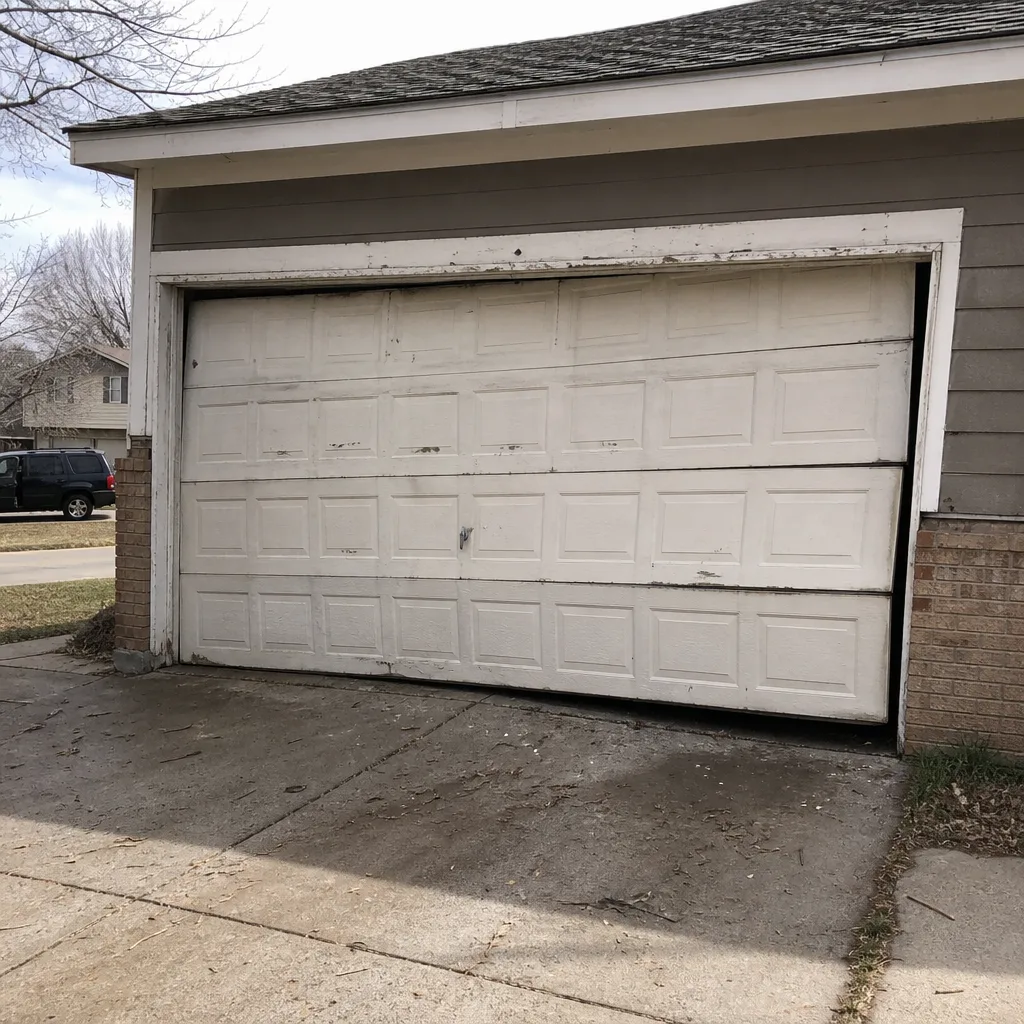
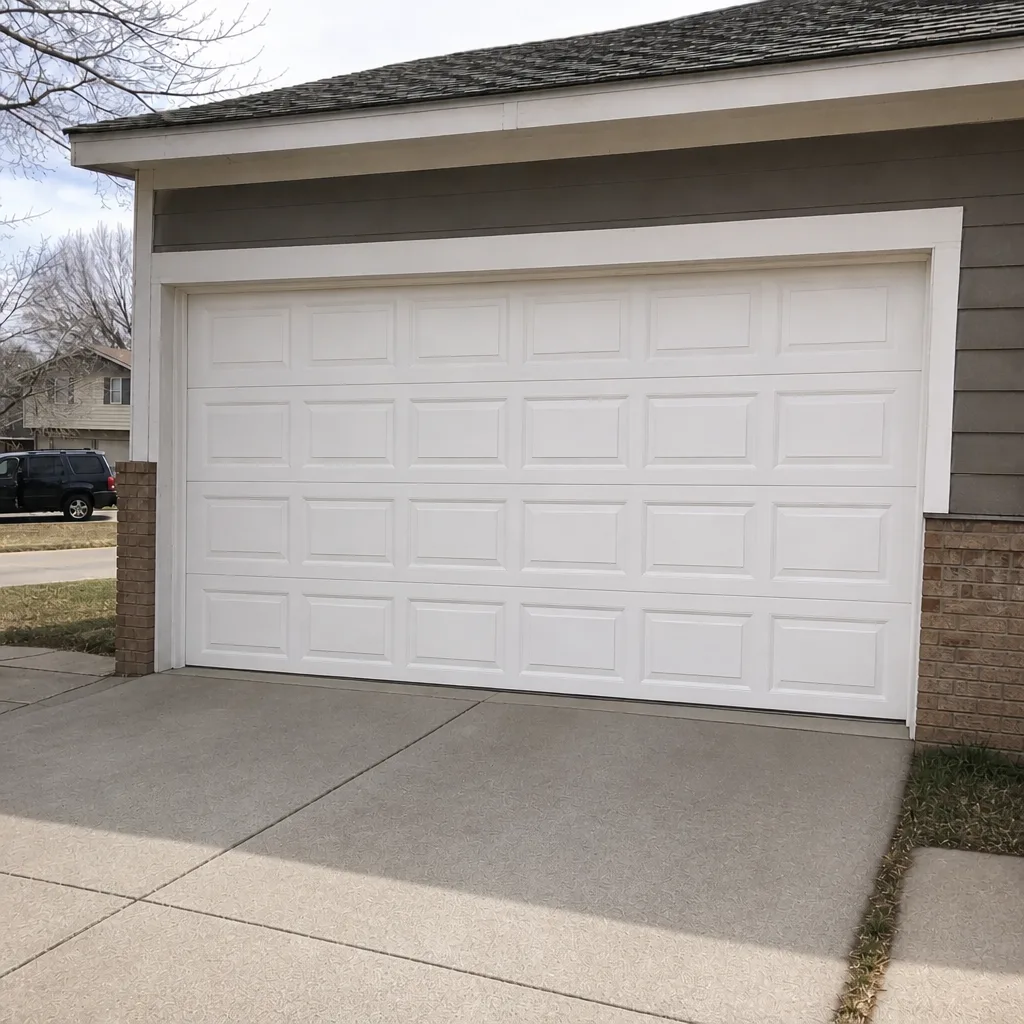
See the difference
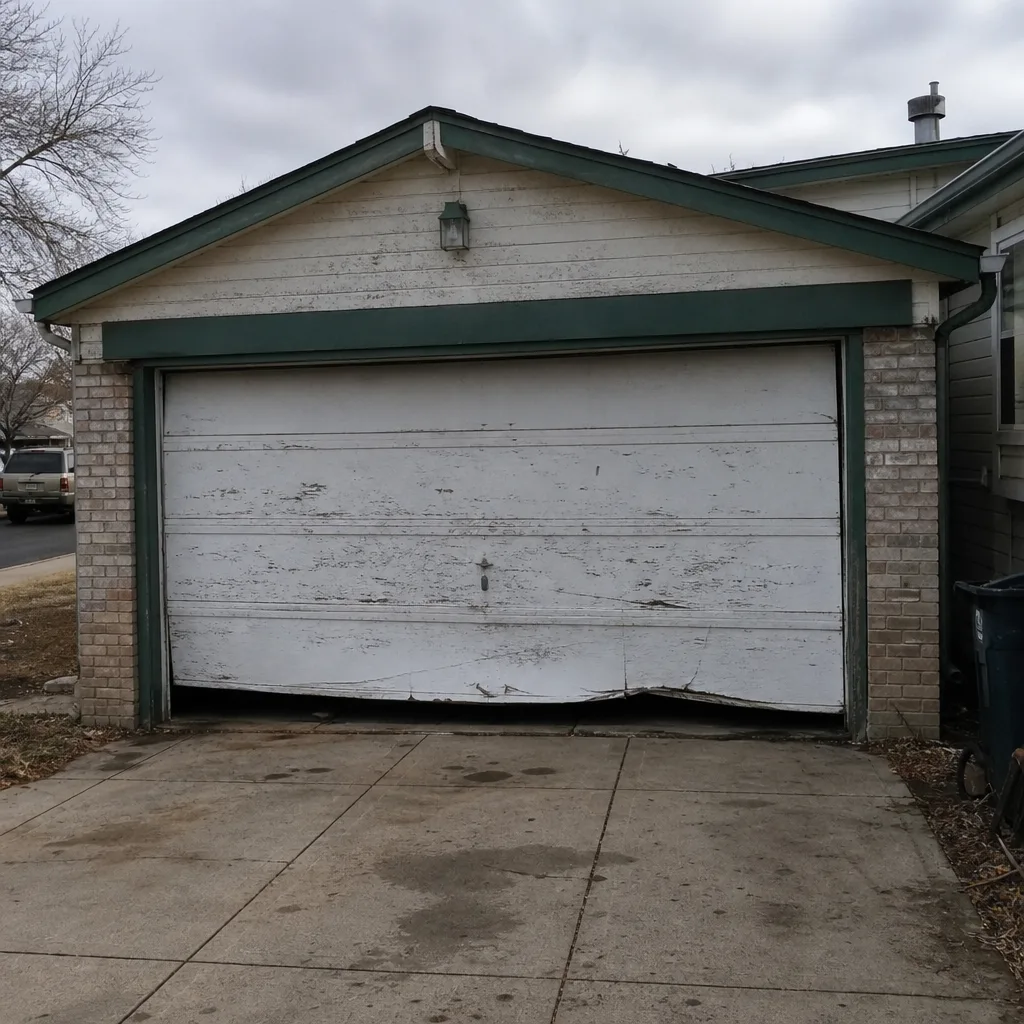 Before
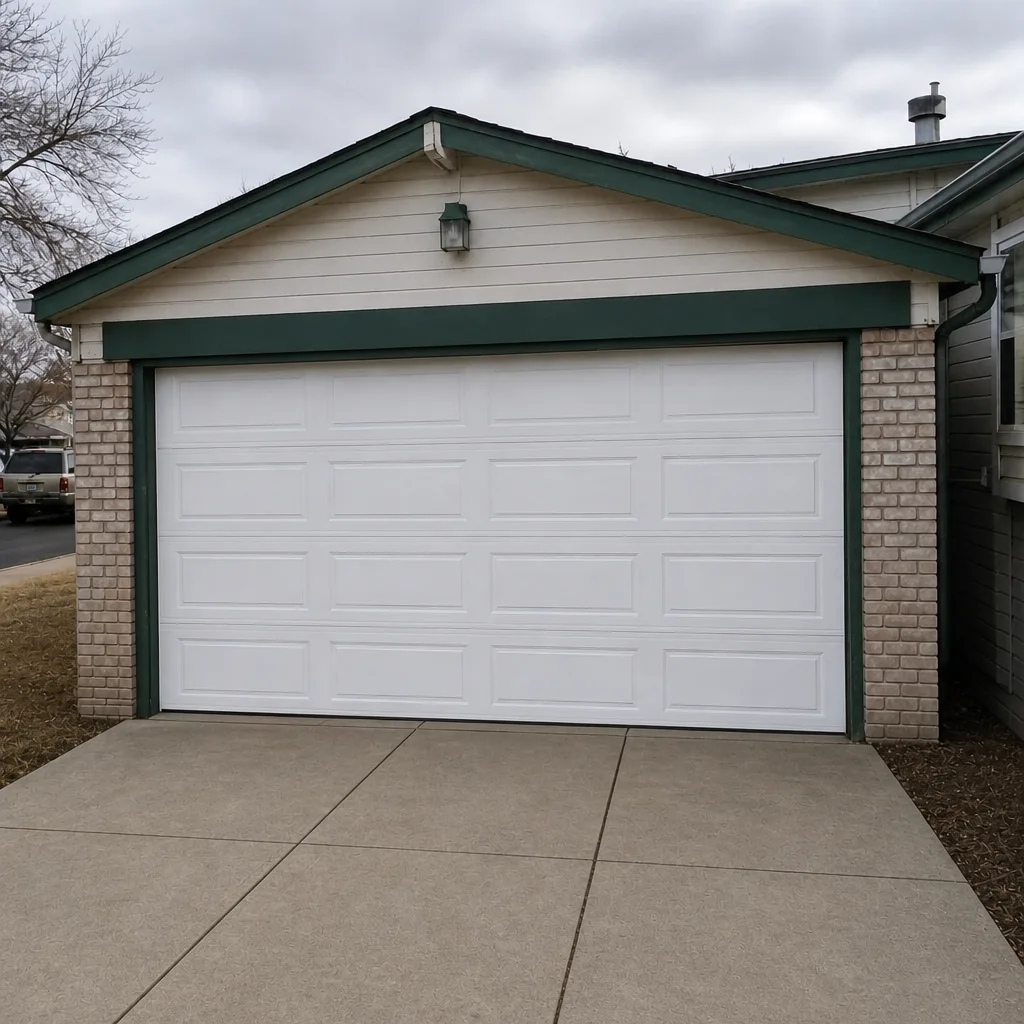 After
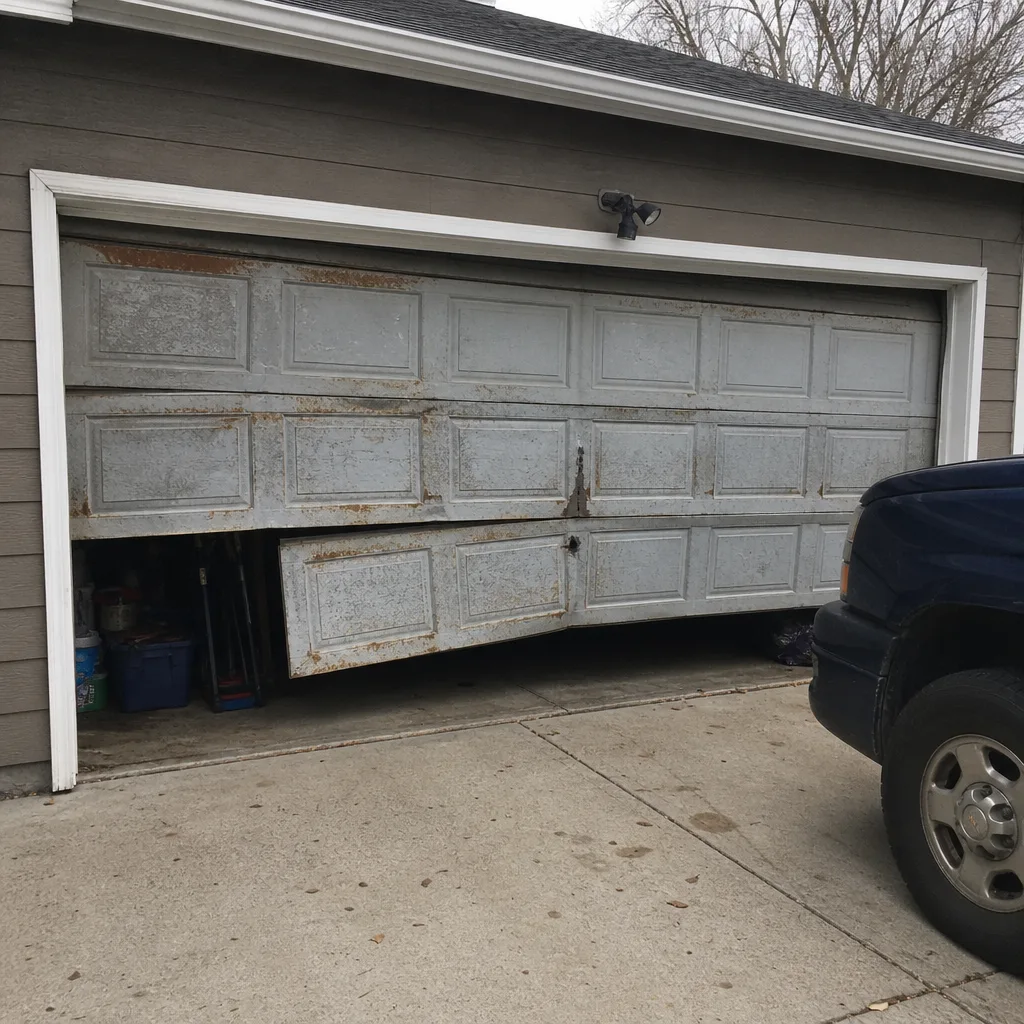 Before
 After
 Before
 After