
Last updated November 23, 2026
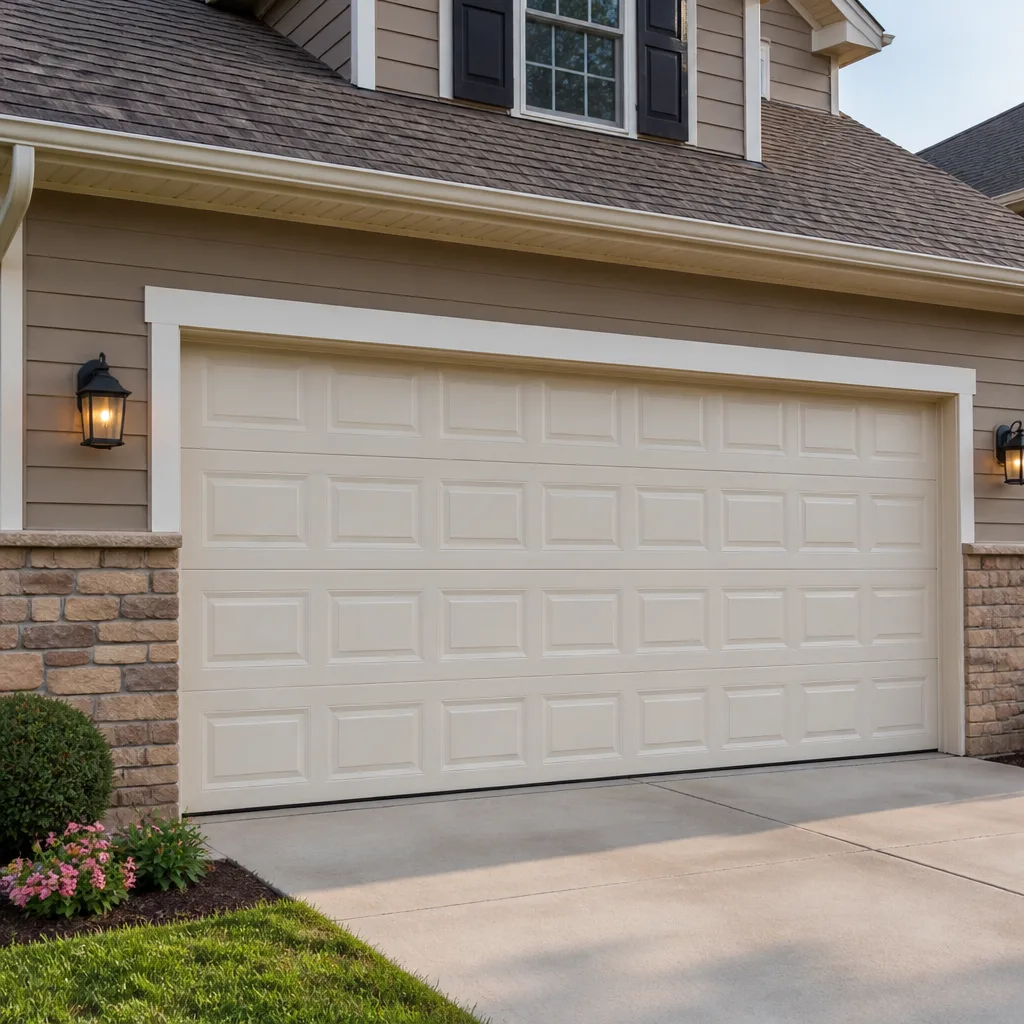 Raised-panel steel
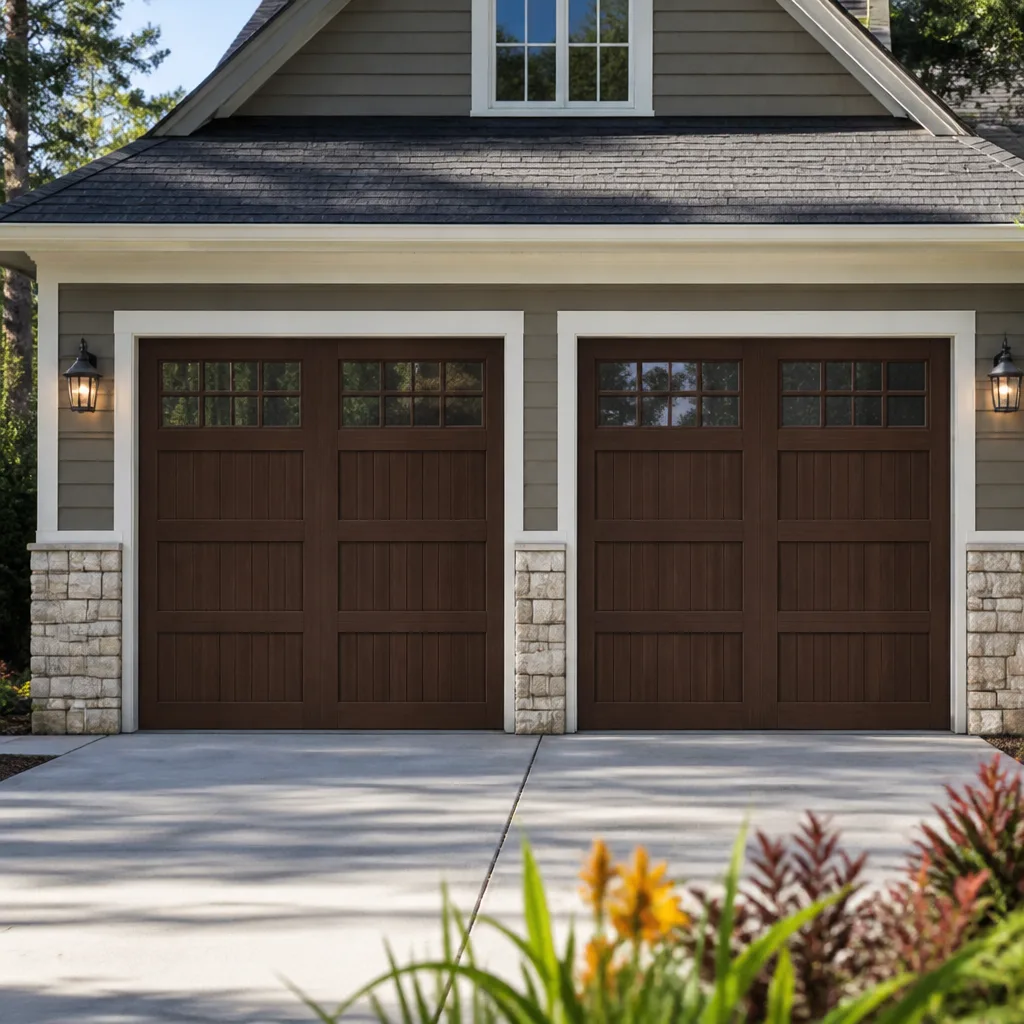
 Carriage house
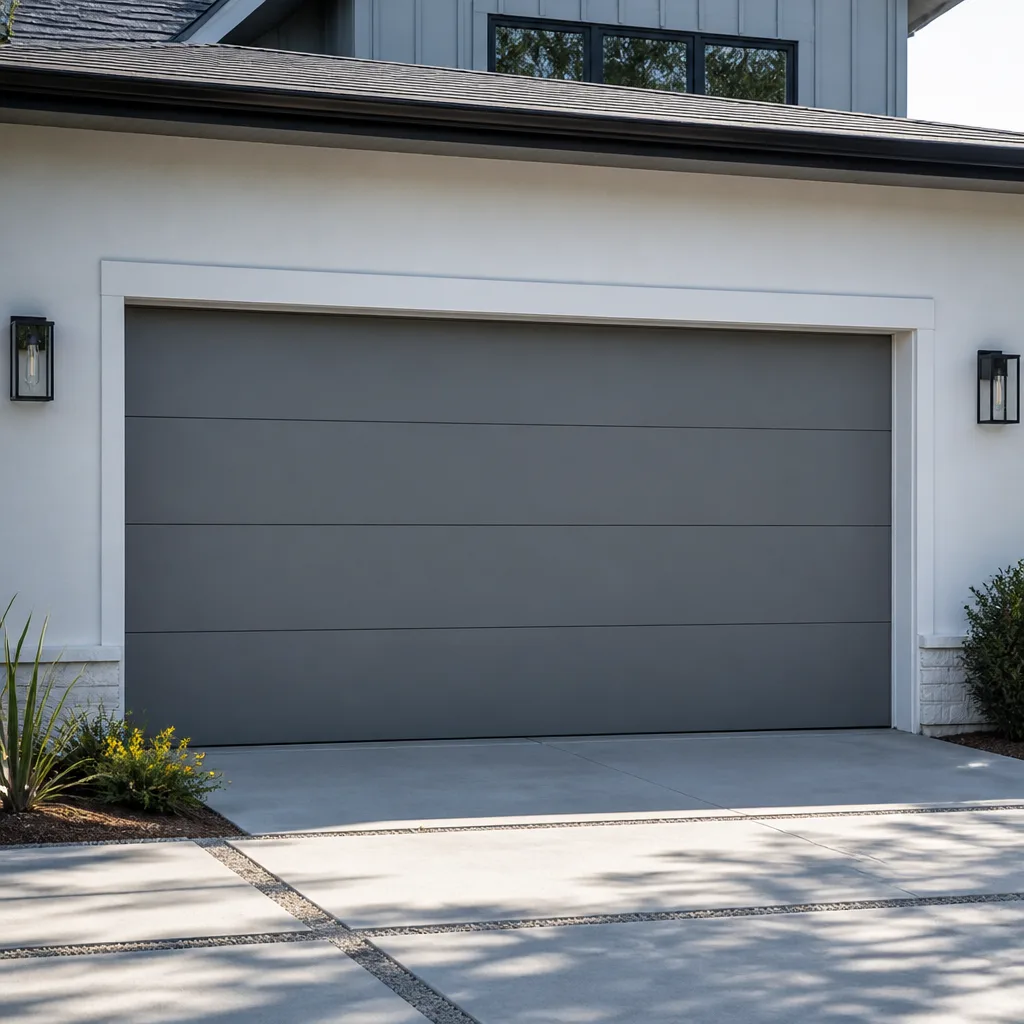 Modern flush
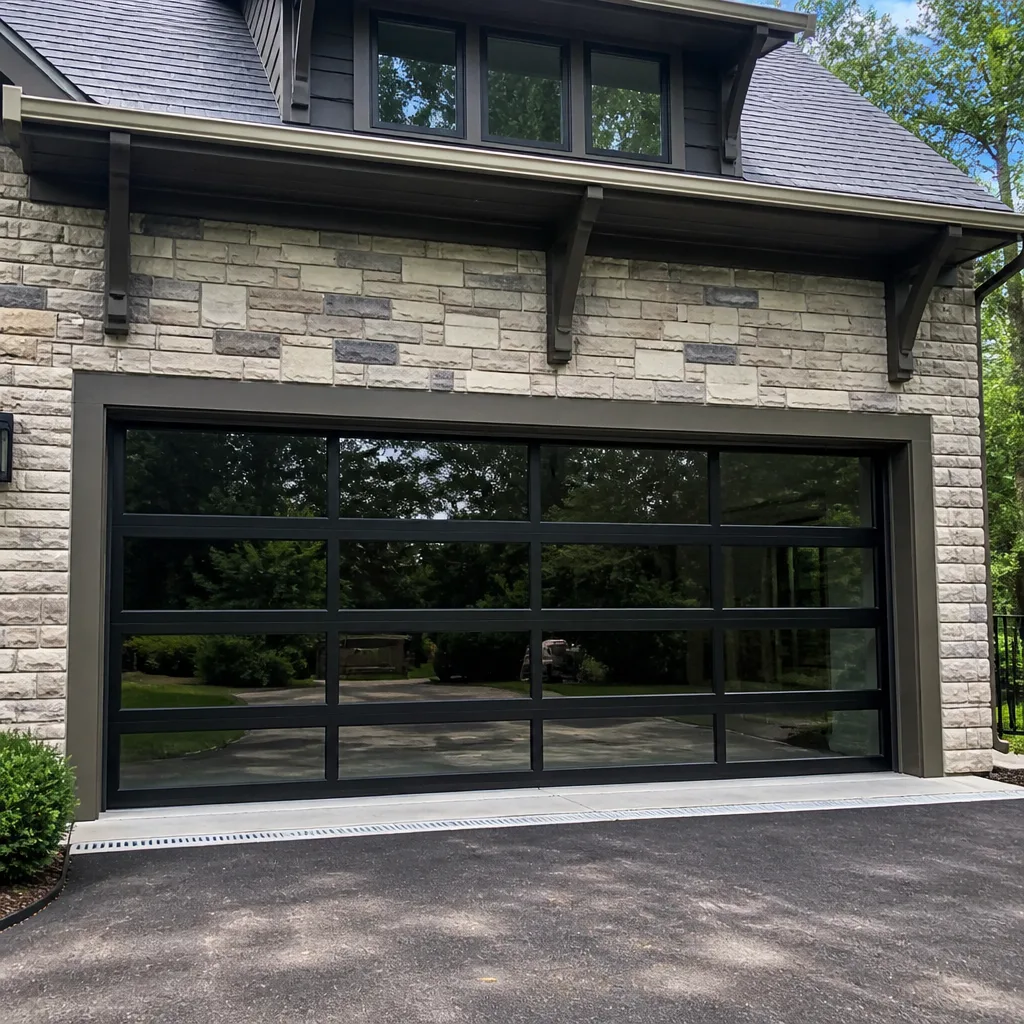 Full-view glass
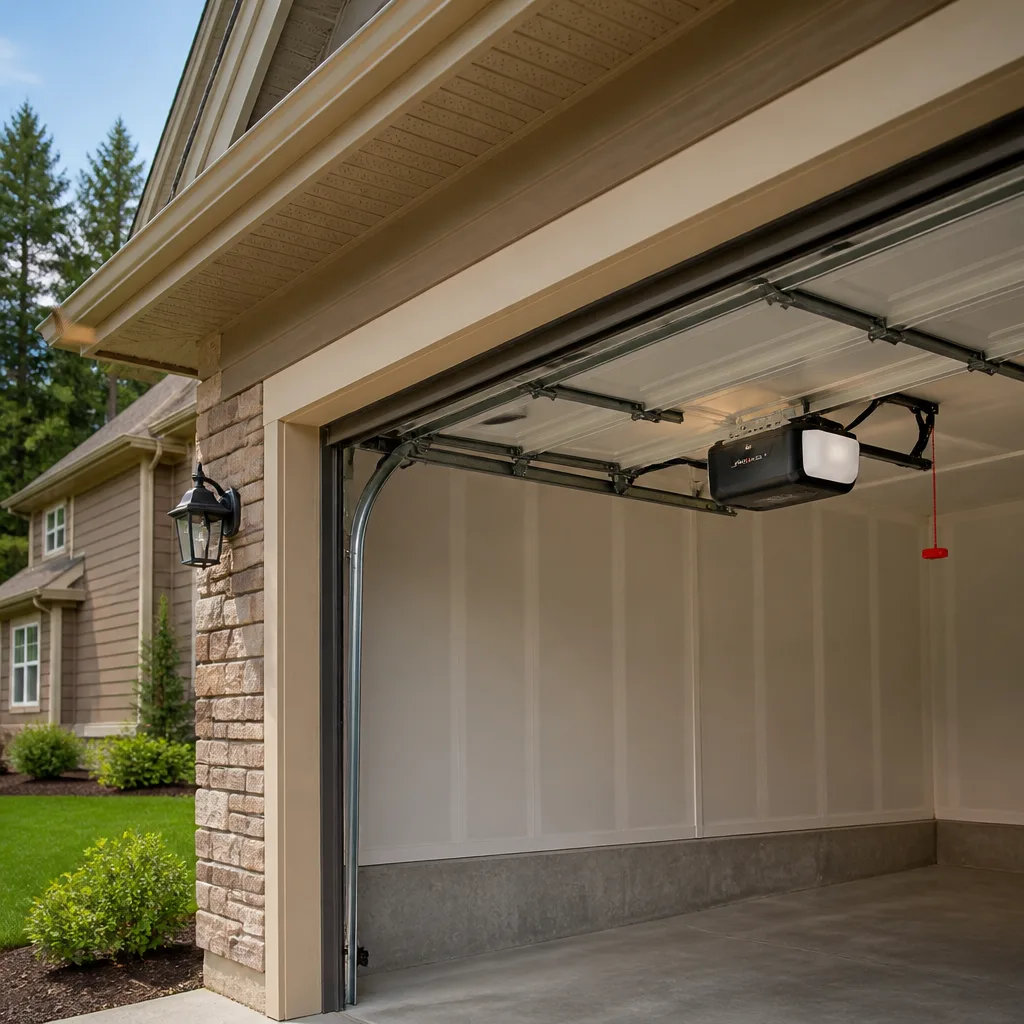 LiftMaster openers
 Chamberlain openers
Full 25-point door and opener safety check with every visit - springs, cables, rollers, tracks, and your LiftMaster or Chamberlain opener included
You get a price before we start. It does not change when the pro arrives.
Get your free estimateGarage Door Permits, Codes & Inspections in Commerce City, CO: What You Need to Know
Here’s the part most homeowners get backwards: swapping a garage door for a new one of the same size usually needs no permit at all, but adding a garage door opener to a door that never had one can. That second scenario is electrical work under Commerce City’s adopted building code, and it’s the one people skip. We’ve answered enough questions from homeowners across Commerce City to know the confusion is real, and it isn’t helped by the fact that your HOA, the city, and your insurance company each care about different pieces of the same project. This guide walks through where the permit line actually sits, what an inspection looks like when one is required, and how unpermitted work surfaces at resale.
Quick Answer
In Commerce City, a straight like-for-like garage door replacement typically does not require a building permit, but structural changes, enlarging or moving the opening, converting a garage to living space, and adding new electrical circuits for a garage door opener generally do. When a permit is issued, the work is inspected before it’s signed off, and attached garages must meet fire-separation requirements under the adopted residential code. When in doubt, call the Commerce City building department directly and describe your exact project.
Styles & brands we work with
- Raised-panel steel
- Carriage house
- Modern flush
- Full-view glass
- LiftMaster openers
- Chamberlain openers
Table of Contents
- Where the Permit Line Falls in Commerce City
- What Triggers a Building Permit vs. a Straight Replacement
- How the 2021 IRC Affects Attached-Garage Fire Separation
- What Inspectors Actually Look For
- HOA Approval vs. City Permit: Two Separate Processes
- How Unpermitted Work Surfaces at Resale
- Commerce City Climate and Your Door’s Wear
- A Step-by-Step Permit Process for Commerce City Homeowners
Where the Permit Line Falls in Commerce City
Commerce City sits in Adams County, and the city runs its own building department, which means permit decisions are made locally rather than through the county. Most of the residential stock here is production-built housing from the last few decades, with a steady mix of older homes closer to the original core and newer construction pushing northeast toward the Reunion and Buffalo Run areas. In all of it, the permit question comes down to one thing: are you changing the structure or the electrical system, or are you simply replacing a component with an identical one?
Replace a worn steel door with a new Clopay or Amarr door of the same dimensions and same general configuration, and you’re typically in the no-permit category. That’s the everyday job, and it’s why most garage door work in Commerce City never touches the permit office. The line moves the moment you alter the opening, change the header, add a window or a pedestrian door to a blank wall, or run a new circuit for an opener.
What makes this tricky is that homeowners often bundle a door, an opener, and sometimes framing work into a single project and assume one answer covers all of it. It doesn’t. Each piece gets evaluated separately:
- Door replacement, same size and style: usually no permit.
- Door replacement with any structural change to the opening: permit typically required.
- New opener on an existing wired door: likely no permit if it plugs into an existing outlet.
- New opener with a new dedicated circuit: electrical permit generally required.
- Garage conversion to living space: permit required, and a substantial one.
We always tell homeowners to describe the project in plain terms to the city and get the answer in writing, because the person on the phone can make a judgment based on details you might forget to mention. A short call saves weeks of uncertainty later.
What Triggers a Building Permit vs. a Straight Replacement
The cleanest way to think about it: a permit is about the building, not the door. If the work leaves the structure exactly as it was, the door is a fixture and you’re swapping it. If the work changes the structure, the answer flips.
Here’s how we break it down for homeowners:
- Measure the opening. If the new door fits the existing opening without modification, you’re likely in replacement territory.
- Check the header and framing. Any change to the header, jambs, or rough opening is structural and triggers a permit.
- Look at the electrical. A new opener plugged into an existing outlet is not new wiring; a new outlet or circuit for an opener is.
- Consider the wall itself. Adding a window or a service door to a solid garage wall is a structural change.
- Note the use. Turning a garage into a bedroom, office, or gym is a change of use and a permit project.
This is where the opener question catches people. Installing a LiftMaster or Chamberlain opener on a door that was previously hand-operated means bringing power to a spot that never had it. That’s new electrical work, and while the electrical portion is the licensed electrician’s responsibility, the permit itself is the homeowner’s to pull. We see this most often in Commerce City with older homes where a previous owner removed an opener and left the wiring unfinished, and the new buyer wants power back at the ceiling.
One more thing worth knowing: an inspector doesn’t usually inspect the door itself for permit purposes; they inspect the work that required the permit. If the permit was for structural framing, that’s what gets looked at. If it was for electrical, that’s what gets looked at. Getting the permit category right is half the battle.
How the 2021 IRC Affects Attached-Garage Fire Separation
The 2021 International Residential Code changed several details around attached garages, and Commerce City’s adoption of that code shapes what a permitted garage project has to meet. The governing principle has been consistent for years: an attached garage must be separated from the living space by a fire-resistant assembly, and the door between the garage and the house must resist the passage of fire long enough for occupants to get out.
What the 2021 IRC tightened is the specificity around how that separation is achieved. The key elements most homeowners touch during a garage project:
- The wall between garage and house must maintain its fire-rated assembly; cutting into it for a new door, a pet door, or new wiring can compromise it.
- The passage door from garage to house must be a self-closing, fire-rated door, and it must not be propped or removed.
- Penetrations through the separation wall, including new electrical boxes for an opener, must be sealed to maintain the rating.
- Ceiling separation matters when living space sits above the garage, which is common in two-story homes around Commerce City.
In our experience, the failure point is rarely the door itself. It’s the wall and ceiling assembly around it, especially after a homeowner adds a storage shelf, a new outlet, or a finished ceiling. If you’re pulling a permit for anything touching the separation wall, expect the inspector to look at how the penetrations were handled. That’s not a reason to avoid a permit; it’s a reason to plan the work so the fire separation survives the project.
If you’re unsure whether your garage wall meets the current separation requirement, bring it up with the building department when you apply. They’ll tell you what documentation they want, and you can decide how much scope the project needs.
What Inspectors Actually Look For
A garage door inspection under a permit isn’t a door-operation test. The inspector is verifying that the permitted work was done to code and that the structure is sound. Here’s what we tell homeowners to expect:
- The permit and approved plans on site. Have them accessible; the inspector wants to see what was approved before looking at anything else.
- The structural work. Framing, header, jambs, and fasteners are checked against the approved plans. If anything was changed mid-project, that’s where the conversation goes.
- The fire-separation assembly. Any wall or ceiling between the garage and living space is checked for continuity, including penetrations.
- Electrical connections. If the permit included electrical, the inspector verifies the circuit, box, and connection for the opener or outlet.
- Clearances and safety features. They may note whether the door has the required safety features (such as the photo-eye reversal) as part of a general safety check, depending on the scope.
Preparation is mostly paperwork. Have the approved plans, the permit card, and any manufacturer documentation for the door and opener ready. If you hired a contractor, they should be on site to answer questions about the work. If multiple trades were involved, each should be represented or reachable.
One pattern we’ve seen in Commerce City: a homeowner pulls a permit for the door, then has a separate electrician wire the opener, and the two permits are never coordinated. When the inspector arrives expecting one scope, the other gets flagged. Line up all the trades before the inspection date, and make sure one person is responsible for the walkthrough.
HOA Approval vs. City Permit: Two Separate Processes
Commerce City has several large planned communities with active HOAs, and this is where homeowners lose the most time. The HOA and the city are not the same approval, and passing one does not satisfy the other.
An HOA architectural committee reviews appearance: door style, panel design, color, and whether the change matches the neighborhood. Many HOAs have an approved color palette and will reject a door that looks close but isn’t on the list. The review takes whatever the committee’s schedule is, and they can ask for manufacturer spec sheets or a photo of the proposed door.
The city, by contrast, cares about structure, safety, and code compliance. Its timeline is set by the permit process, not by a volunteer committee.
Do both in parallel, not in sequence. Here’s why:
- The HOA can reject a door color after you’ve already ordered it, so approve the look first.
- The city permit process can stall on documentation that has nothing to do with the door style, so start the permit application while the HOA review is underway.
- If your project requires a structural change, the permit is on the critical path and should start early.
We always advise homeowners to read the HOA architectural guidelines before ordering anything, and to keep the approval letter with the project file. At resale, having both the HOA approval and, where applicable, the permit documentation makes the file clean and answers the buyer’s questions before they become issues.
How Unpermitted Work Surfaces at Resale
Unpermitted garage work usually sits quietly until a real estate transaction, and then it becomes everyone’s problem at the worst moment. The most common scenario: an opener was installed with new wiring, no permit was pulled, and the electrical work isn’t signed off. A home inspector will note the door and opener; a buyer’s agent may ask for the permit; and the closing gets delayed while remediation is sorted out.
Here’s what remediation typically involves:
- Identify the scope. Figure out exactly what work was done without a permit. Sometimes it’s only the electrical; sometimes it’s framing.
- Talk to the building department. Commerce City can tell you whether the work can be permitted retroactively and what documentation they want.
- Correct any code gaps. A permit repair may require opening a wall to see the wiring, or adding fire separation detail that wasn’t there before.
- Get an inspection and sign-off. Once the work is approved, you have a record that satisfies the buyer’s side.
None of this is unusual, but it’s all easier before a deadline. The simplest prevention is to ask for the permit at the start of the project, confirm it was pulled, and keep the paperwork. When we quote a job in Commerce City that needs a permit, we flag it in the estimate so the homeowner can make the call before the work begins.
Commerce City Climate and Your Door’s Wear
Commerce City sits on the eastern edge of the Denver metro, where the climate is dry, windy, and prone to large temperature swings. That matters for garage doors in ways that don’t show up on a permit application but do show up in the hardware. Doors here cycle through extreme seasonal temperature changes that expand and contract the steel, and the wind loads on a large door put steady stress on the tracks and hinges. Springs are the component that takes the most punishment, which is why it’s the repair we handle most.
What we see on doors across Commerce City:
- Paint and finish wear on the bottom panel from moisture and road splash tracked in during snowmelt.
- Track misalignment from wind load and from the freeze-thaw shifting of the slab.
- Spring failure on doors that have been in service for years; high-tension torsion springs don’t give much warning.
- Seal and weatherstripping breakdown, which lets dust and cold air into the garage.
None of this changes the permit rules, but it does inform how often a door should be looked at and when a repair turns into a replacement. Spring work in particular is dangerous and deserves a trained technician; a torsion spring under tension can cause serious injury if it’s handled without the right tools. We keep that work with specialists rather than handing it to a general handyman, and we’d recommend you do the same. If a spring lets go, garage door repair is the fastest path back to a working door.
A Step-by-Step Permit Process for Commerce City Homeowners
If your project needs a permit, here’s the process in order. The sequence matters because getting an early step wrong costs you the most time.
- Define the project precisely. Write down exactly what’s changing: door size, structural changes, electrical work, and whether the garage use is changing.
- Check the HOA first. If you’re in a community with an HOA, get the architectural approval moving before you order anything.
- Call the Commerce City building department. Describe the project and ask whether a permit is required, and what documentation they need.
- Submit the permit application. Include drawings if structural work is involved and the electrician’s information if electrical work is part of the scope.
- Schedule the work after the permit is issued. Don’t start work before the permit is in hand.
- Coordinate the trades. Make sure the door installer, electrician, and any other trade know who’s responsible for the inspection.
- Schedule and pass the inspection. Keep the sign-off with your project file for resale.
If your project is a straight replacement with no structural or electrical changes, you can skip most of this and go straight to the measure. A free measure and a written quote from a door specialist will tell you what’s involved. For new-door projects, garage door installation covers the scheduling and measurement side.
Common Mistakes to Avoid
- Assuming the opener is just a plug-in. If the door never had an opener and the garage has no outlet at the ceiling, the install involves new electrical work, which is a permit item in most cases. Ask before you buy.
- Getting the HOA approval and skipping the city. They are separate processes with separate timelines, and passing one doesn’t satisfy the other. In Commerce City’s larger planned communities, this is the most common paperwork gap we see.
- Changing the door size without checking the permit implications. A wider door means a header change, and a header change is structural. Measure before ordering.
- Leaving penetrations in the fire-separation wall unsealed. Adding an outlet or a new box for an opener can compromise the fire separation if the work isn’t sealed correctly. That’s the detail an inspector will catch.
- Pulling the permit after the work is done. Some work can be permitted retroactively, but it’s more expensive, more disruptive, and sometimes it involves opening walls. Start with the permit.
- Ignoring the wind and temperature swing. Doors in Commerce City take real seasonal stress; a door that gets inspected and signed off still needs the hardware to hold up. Have a technician check the springs and tracks as part of the project.
- Not keeping the paperwork. Both the HOA approval and the permit sign-off belong in the project file. Missing paperwork at resale turns a clean transaction into a negotiation.
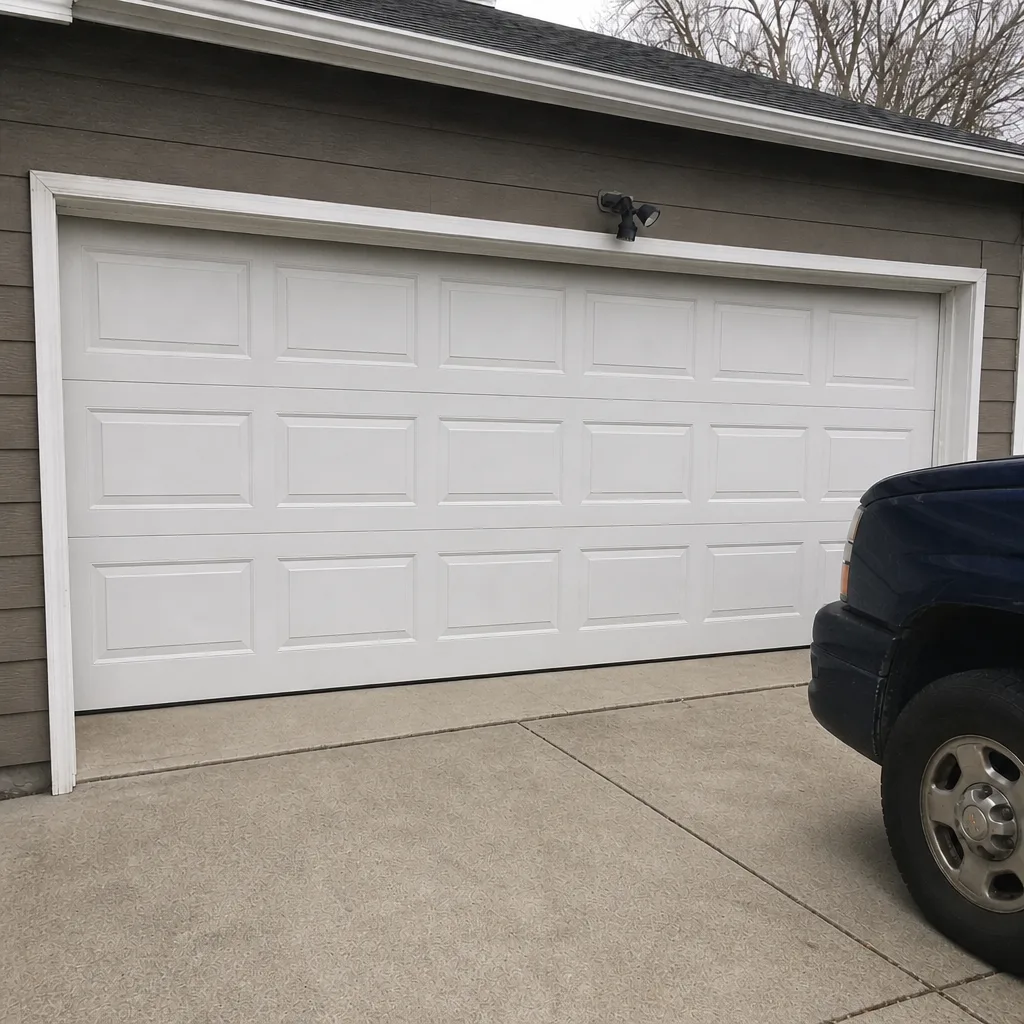
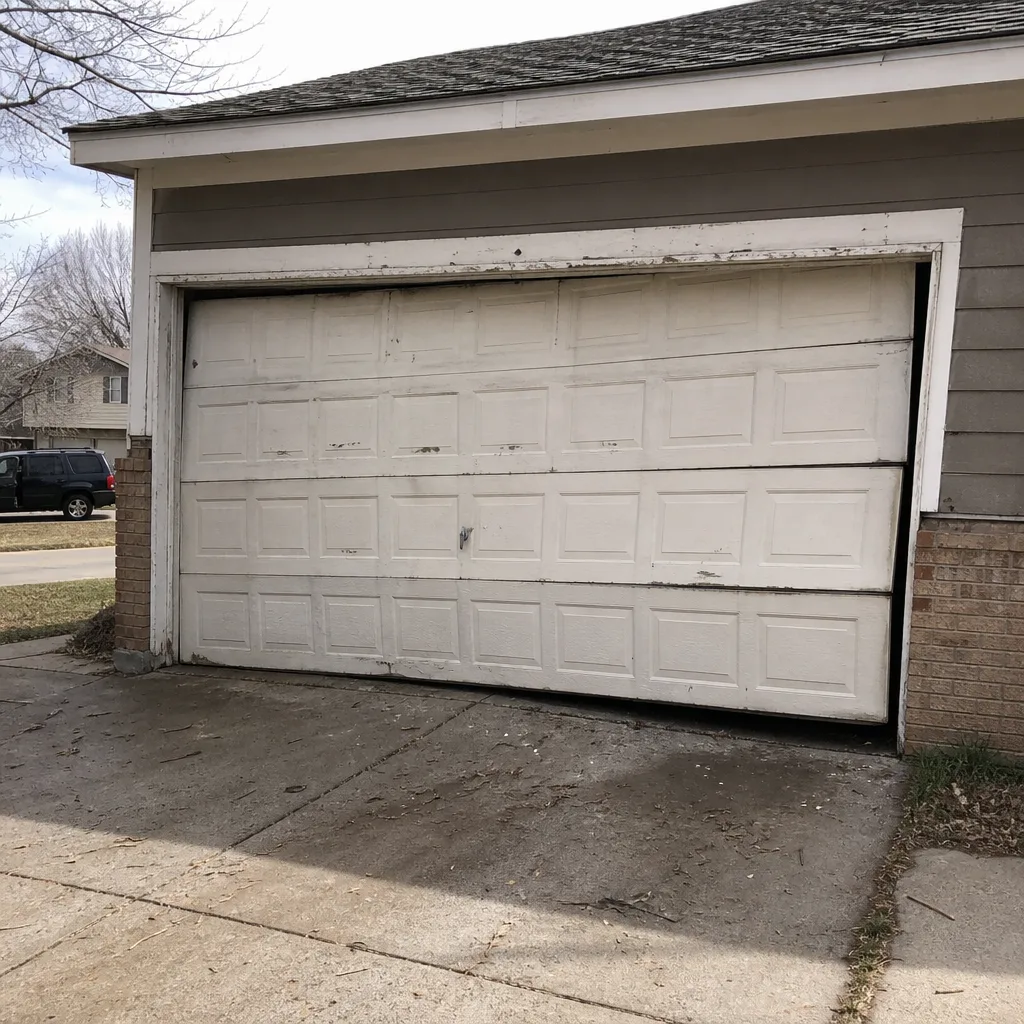
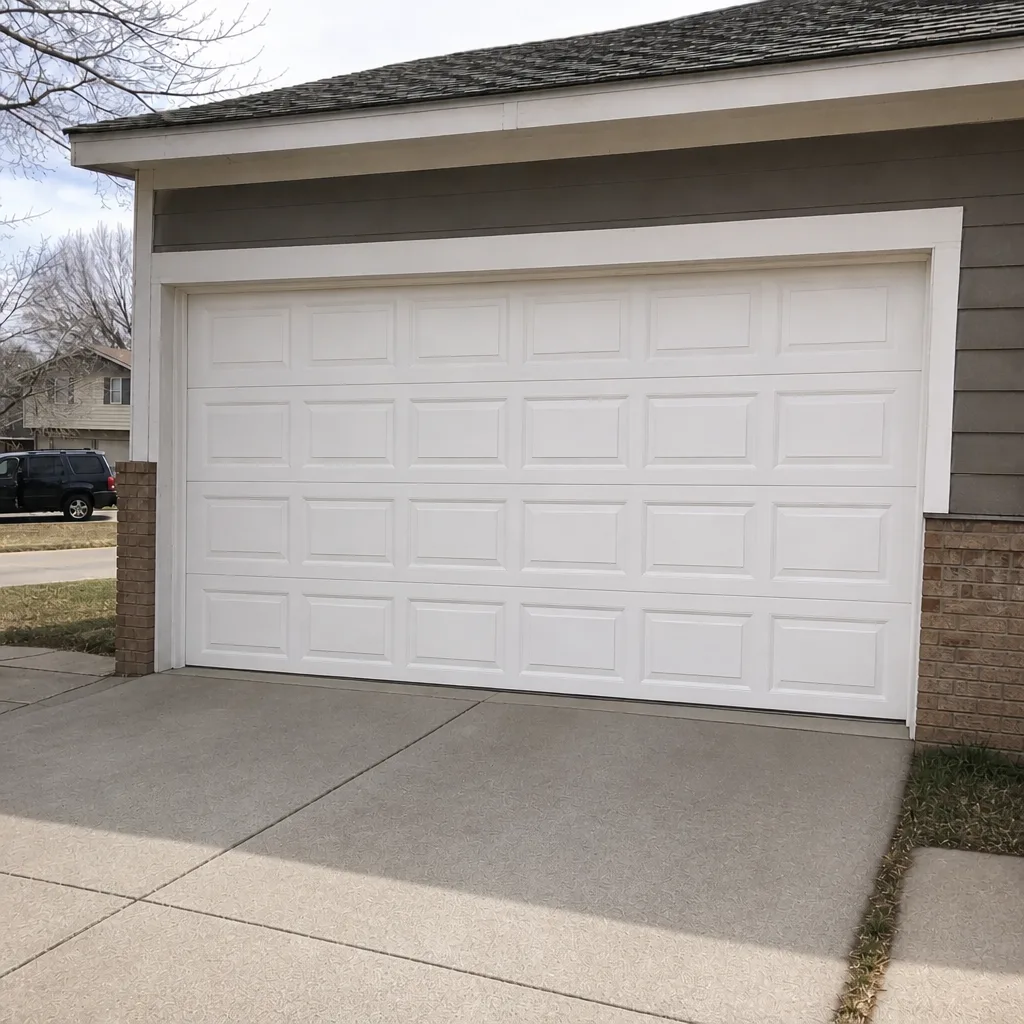
See the difference
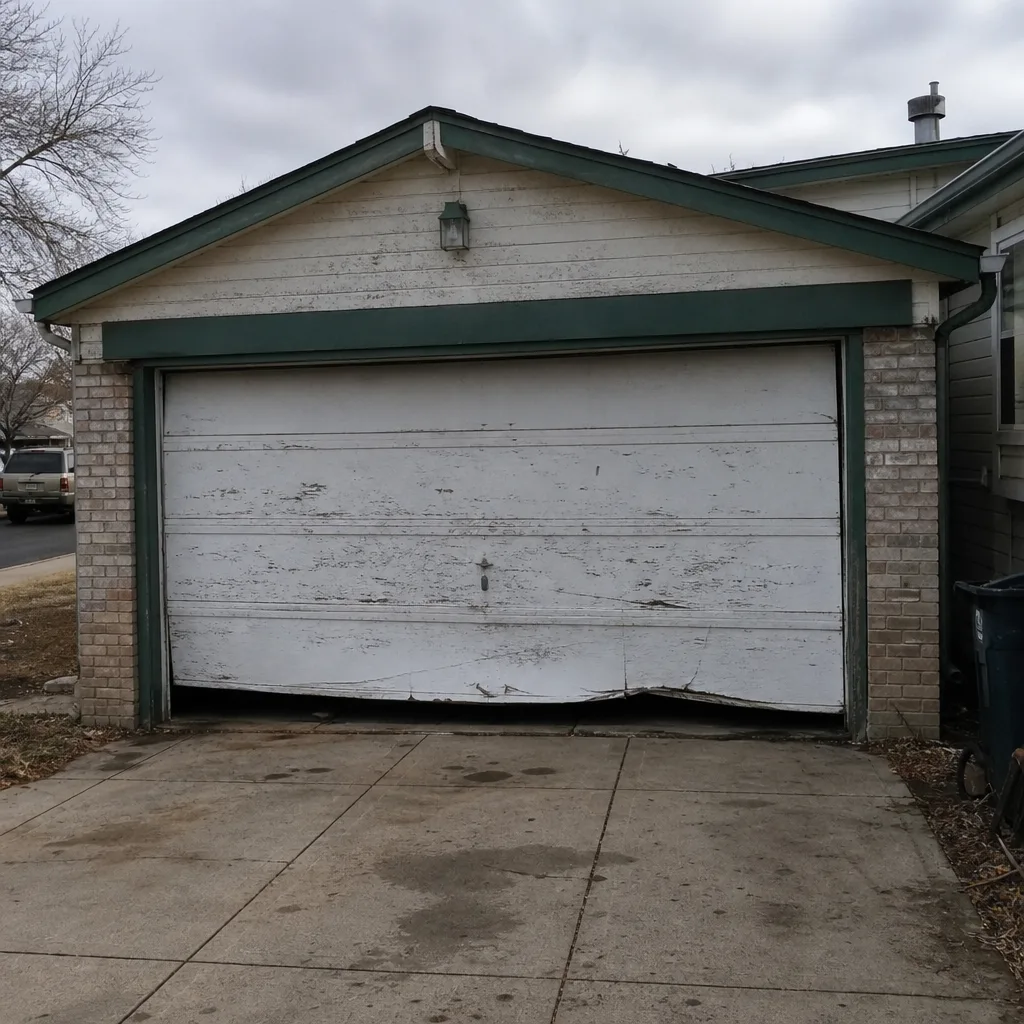 Before
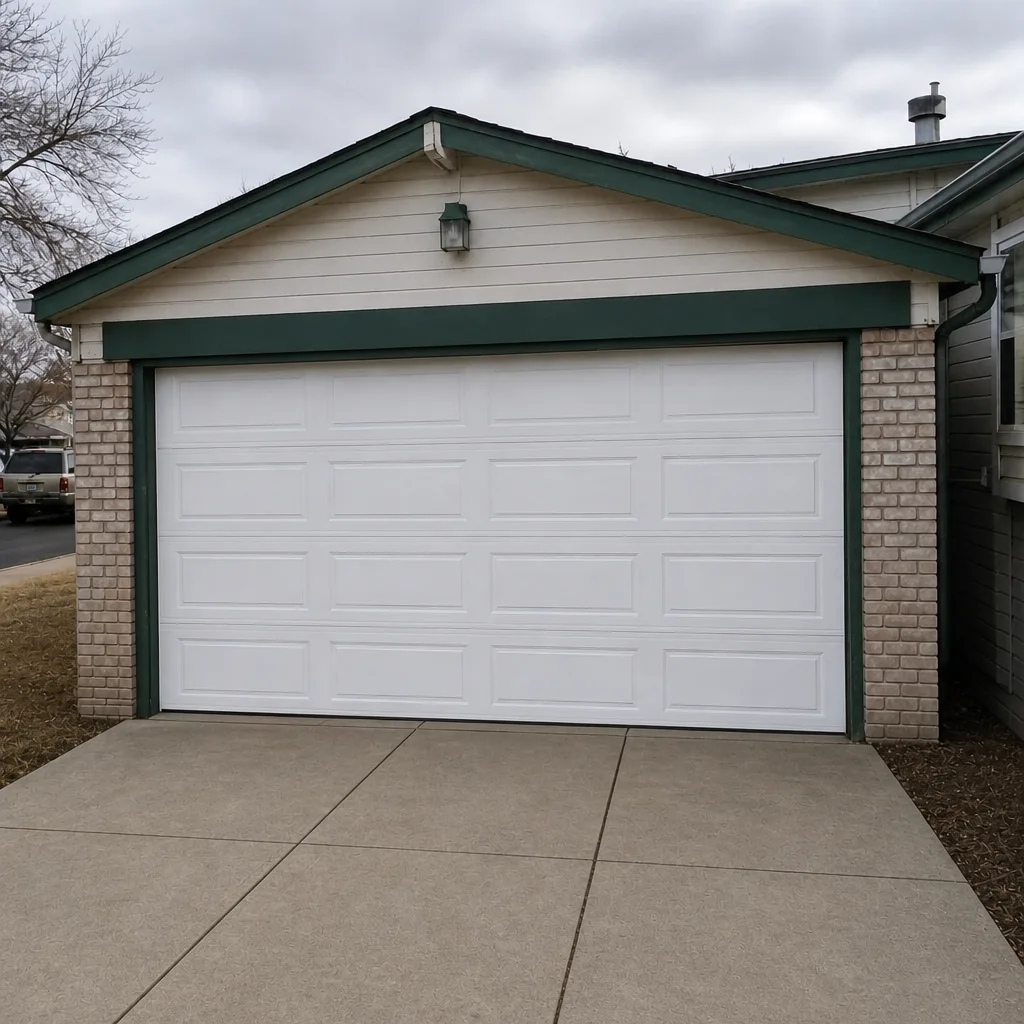 After
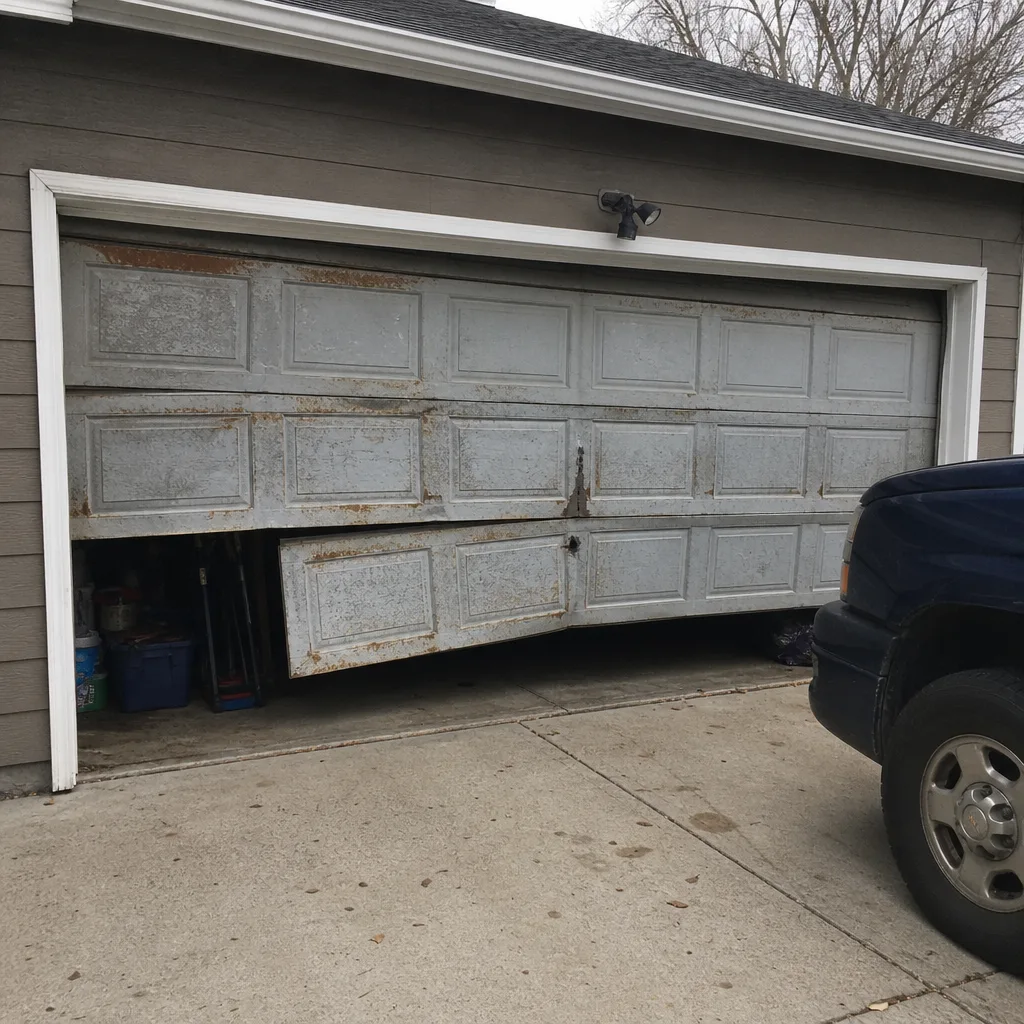 Before
 After
 Before
 After
When to Call a Professional
Some decisions are homeowner calls. A surprising number aren’t. If a spring has snapped, if the door is stuck open or closed, if the opener hums but doesn’t move the door, or if the door has come off its track, that’s a job for a trained technician, not a weekend project. Torsion springs store a dangerous amount of energy, and a door that’s been knocked out of alignment can drop without warning. For anything involving the springs, the cables, or the opener’s electrical work, call a professional.
The rest of the time, a free measure and a written estimate will tell you what’s actually needed. Whether it’s opener troubleshooting, a replacement door, or just an assessment of what the permit picture looks like, garage door opener repair or a full-service visit will settle the question. Commerce City Garage Door Repair Pros offers free estimates in Commerce City. Call (833) 482-6835. We answer 24/7. Fast dispatch from 7am to 7pm, Sunday through Friday. Our technicians have up to 13 years of experience with Chamberlain, Genie, Clopay, Amarr, and the rest of the major brands.
Frequently Asked Questions
Usually no, as long as the new door is the same size and configuration as the old one. A straight replacement that leaves the opening, header, and wiring untouched is generally treated as a fixture swap. If the new door changes the opening or comes with new electrical work, call the Commerce City building department to confirm before you order. For an exact quote on the door itself, call (833) 482-6835; estimates are free.
It can. An opener that plugs into an existing outlet is typically not new electrical work, but an opener that needs a new circuit or outlet at the ceiling generally is. That’s the scenario most homeowners miss, because the door side of the project looks like a simple add-on. Call (833) 482-6835 and we’ll walk you through the electrical side before you commit.
The 2021 IRC sets the fire-separation requirements between an attached garage and the living space, including the self-closing fire-rated passage door and the sealing of penetrations through the separation wall. If your garage project touches that wall or ceiling, the inspector will look at how the separation was maintained. Ask the building department what documentation they want up front.
Yes. We’ll measure the opening, assess the existing door and opener, and give you a written quote. If the work as described looks like a permit item, we’ll flag it so you can call the city before you proceed. The price is quoted and agreed before any work starts. Call (833) 482-6835 for a free estimate.
It can. Unpermitted electrical or structural work often comes up during a buyer’s inspection, and remediation can delay closing. The fix depends on what was done: sometimes the work can be permitted retroactively, sometimes it needs correction first. Keep the HOA approval and permit sign-off with your project file to avoid the issue entirely.
Usually yes, if you’re in a planned community in Commerce City. HOA architectural approval covers appearance like color and style, while the city permit covers structure and code. They’re separate processes, and doing them in parallel rather than one after the other saves the most time. Call (833) 482-6835 if you want help reading the door specs before you submit either.
The Bottom Line
Most garage door replacements in Commerce City don’t need a permit, but the exceptions are broader than homeowners expect: structural changes, garage-to-living-space conversions, and new electrical work for an opener all pull the project into the permit process. The 2021 IRC shapes the fire-separation requirements around your garage, and inspectors care about those details. HOA approval and city permits are separate, and starting both in parallel saves the most time. Keep every approval and sign-off in your project file, because unpermitted work has a way of surfacing at the worst possible moment: resale. When the door itself needs work, whether it’s a repair, a new opener, or a full replacement under a fresh permit, Commerce City garage door repair pros can help. Call (833) 482-6835. We answer 24/7. Fast dispatch from 7am to 7pm, Sunday through Friday. Free estimates, and the written quote sets the price before any work begins.
Written by the team at Commerce City Garage Door Repair Pros.