
Last updated November 23, 2026
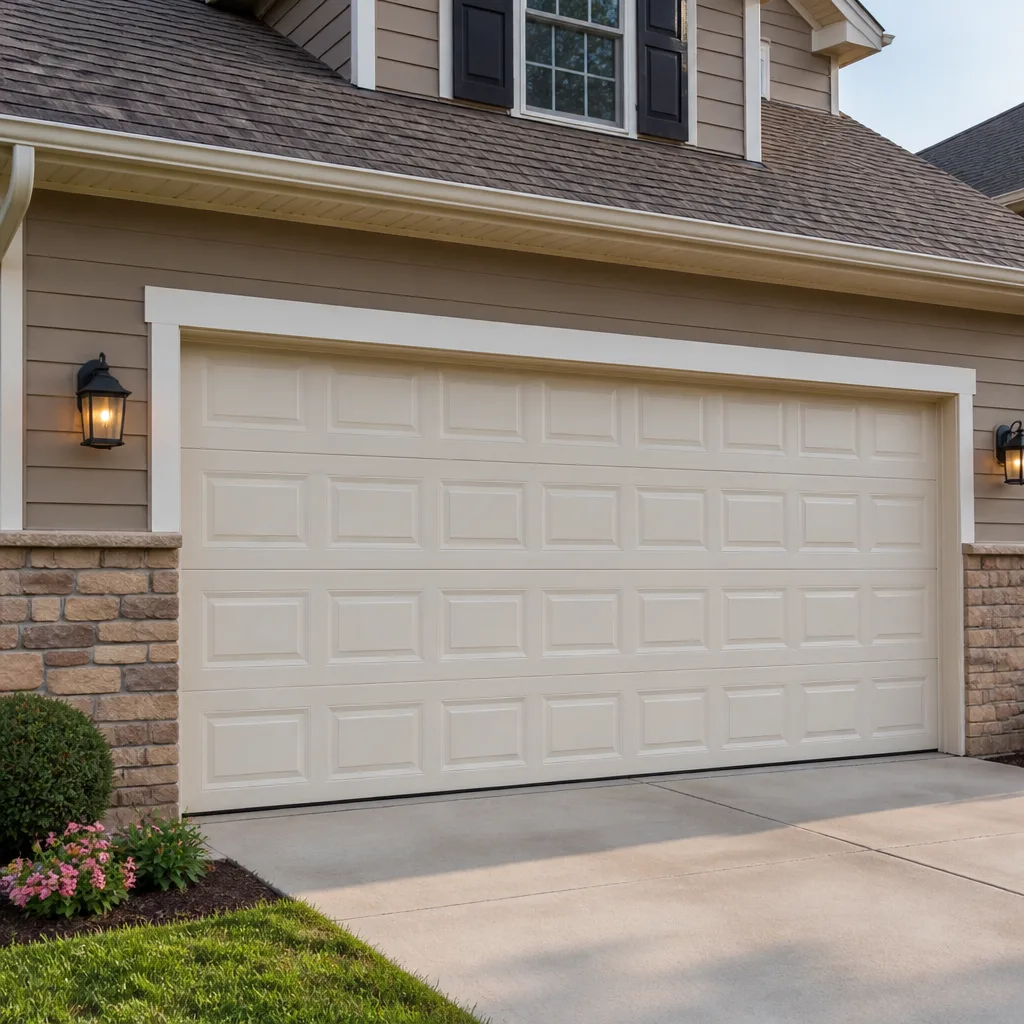 Raised-panel steel
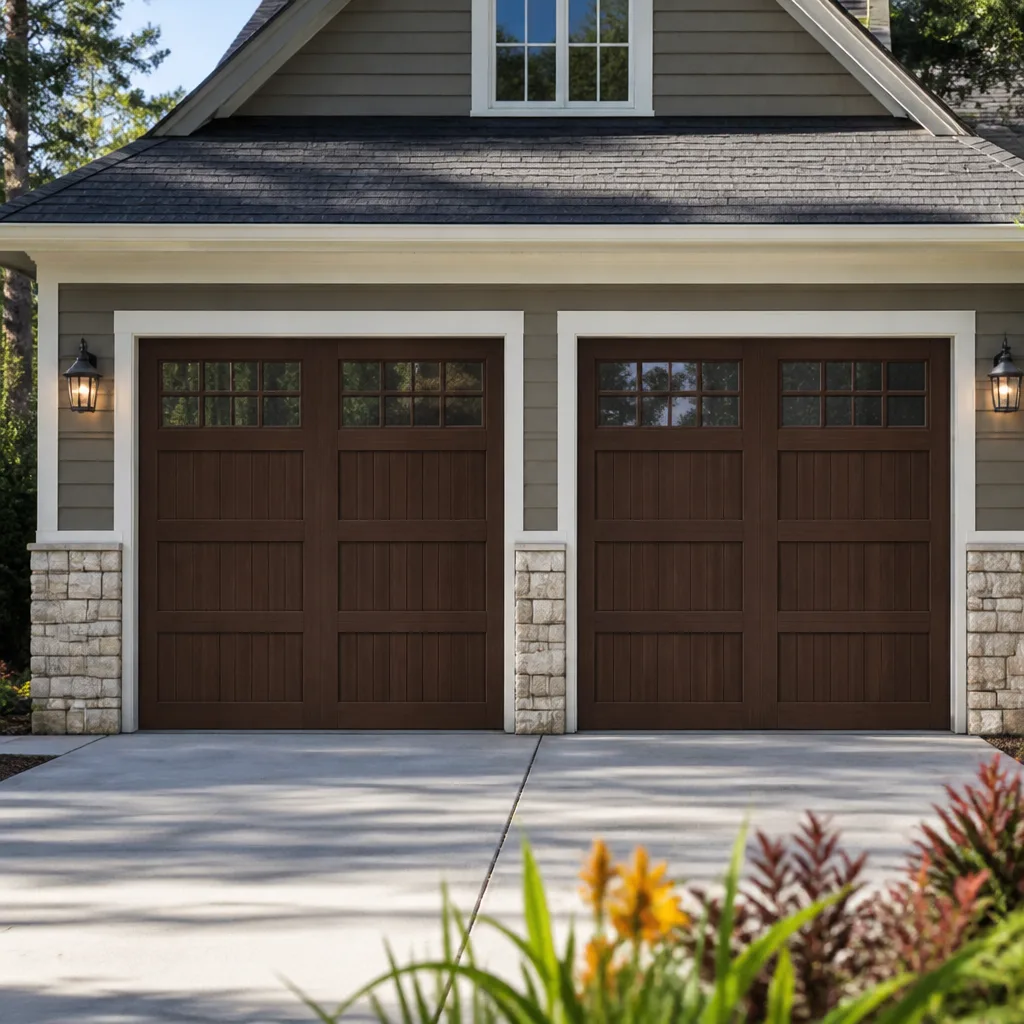
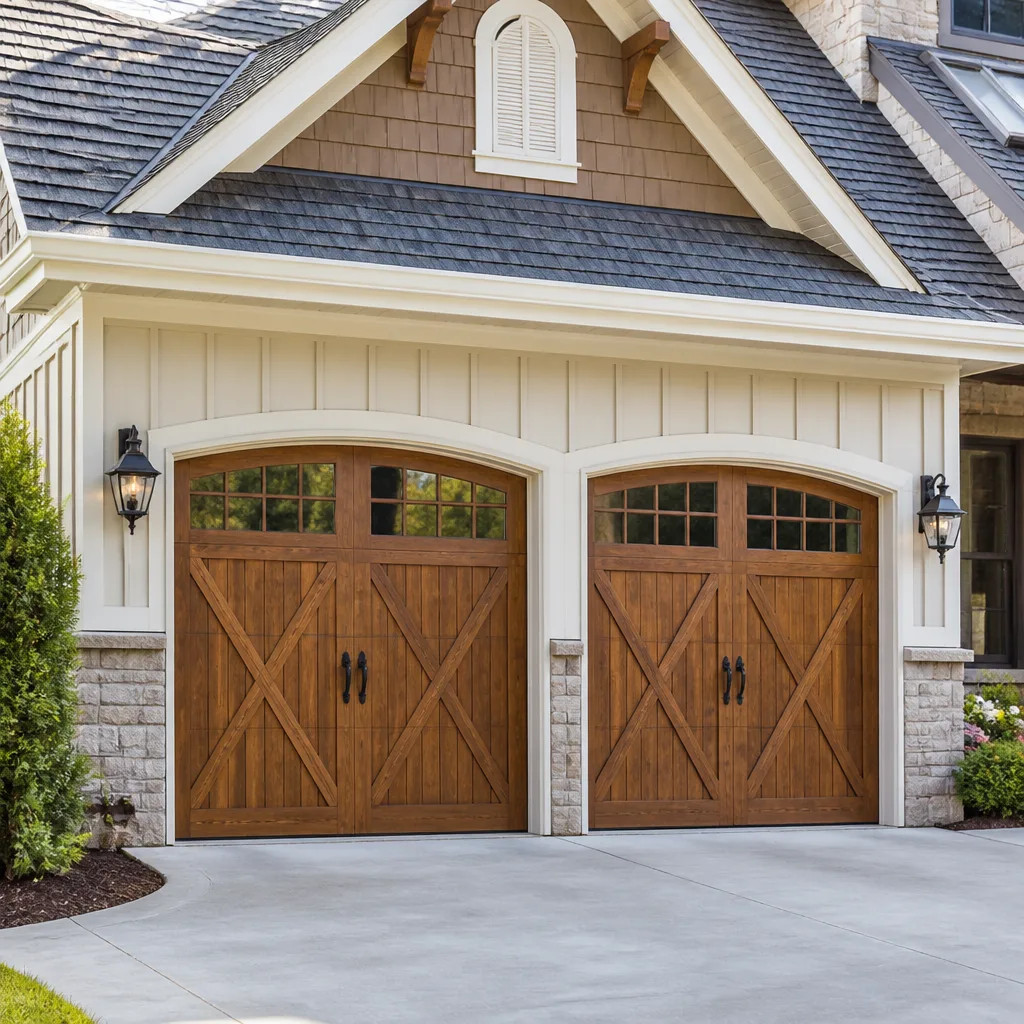 Carriage house
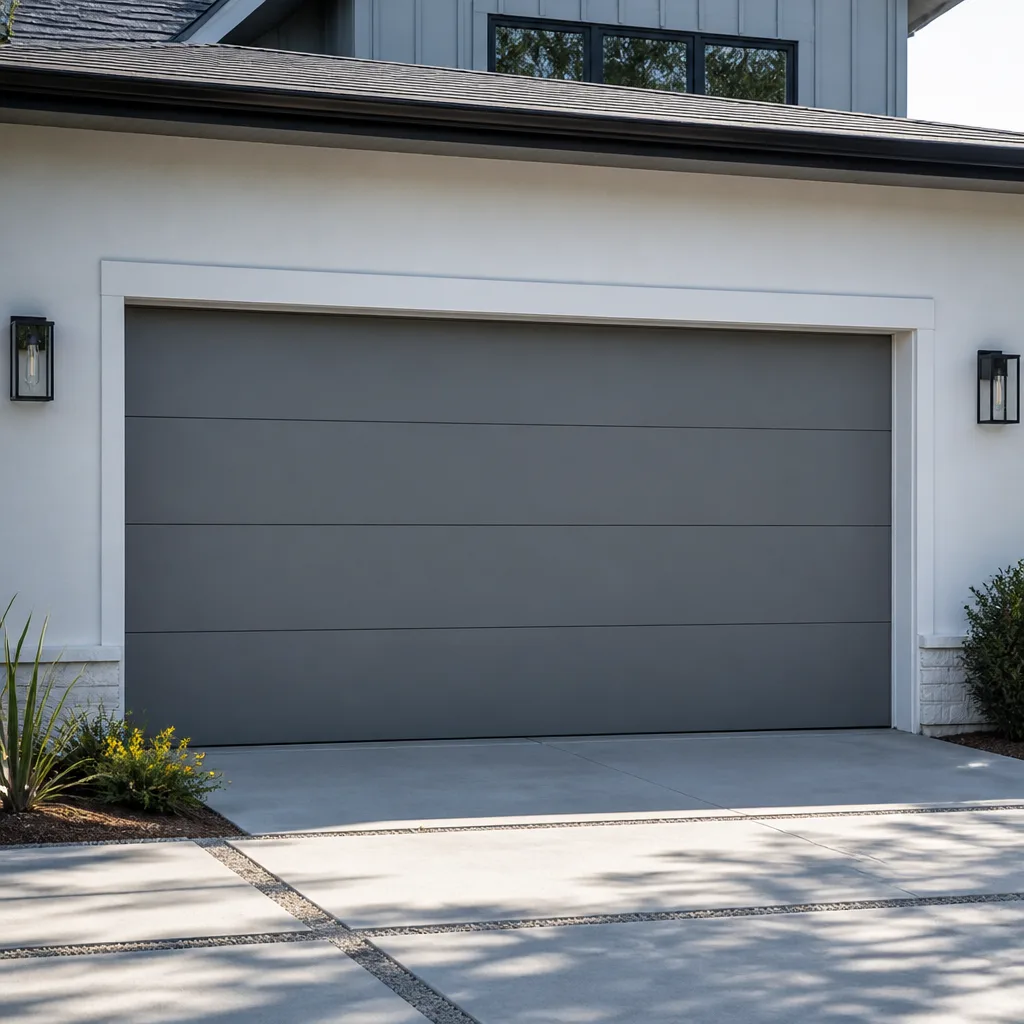 Modern flush
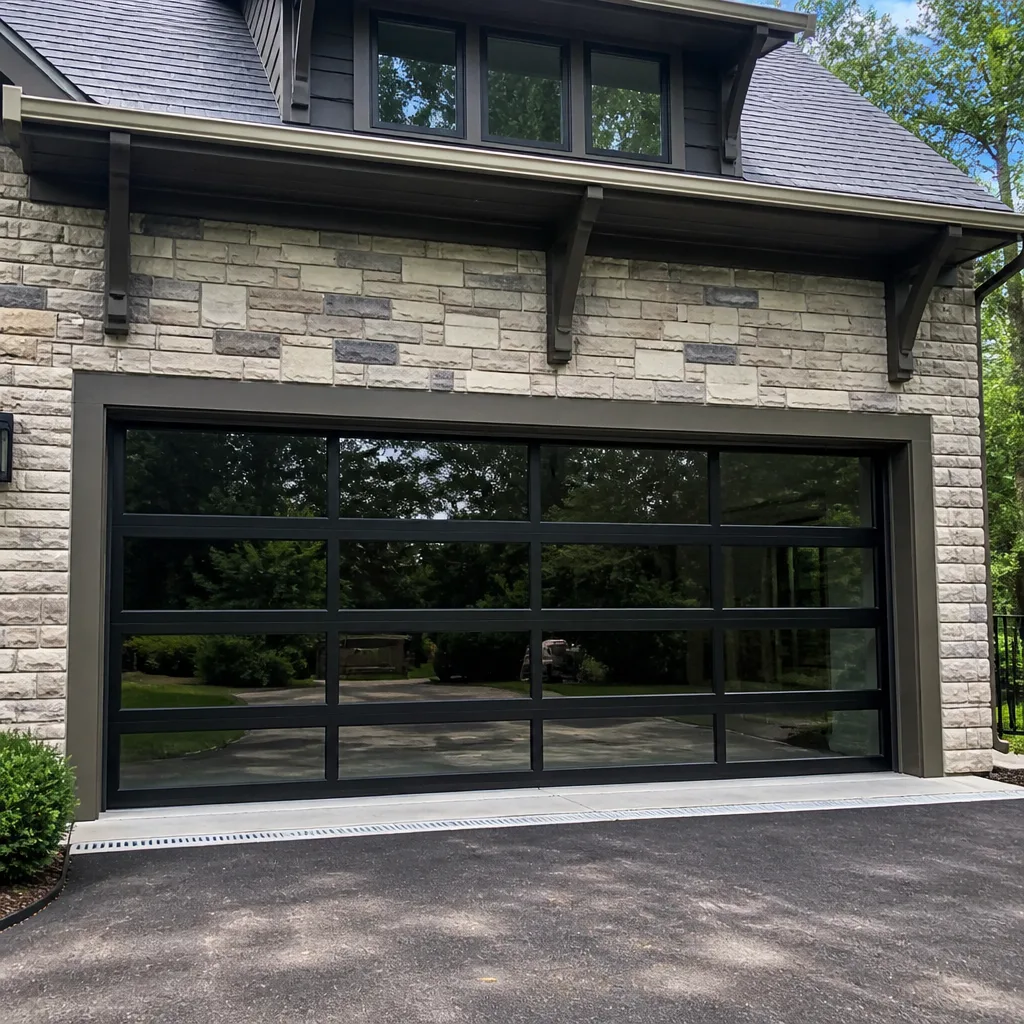 Full-view glass
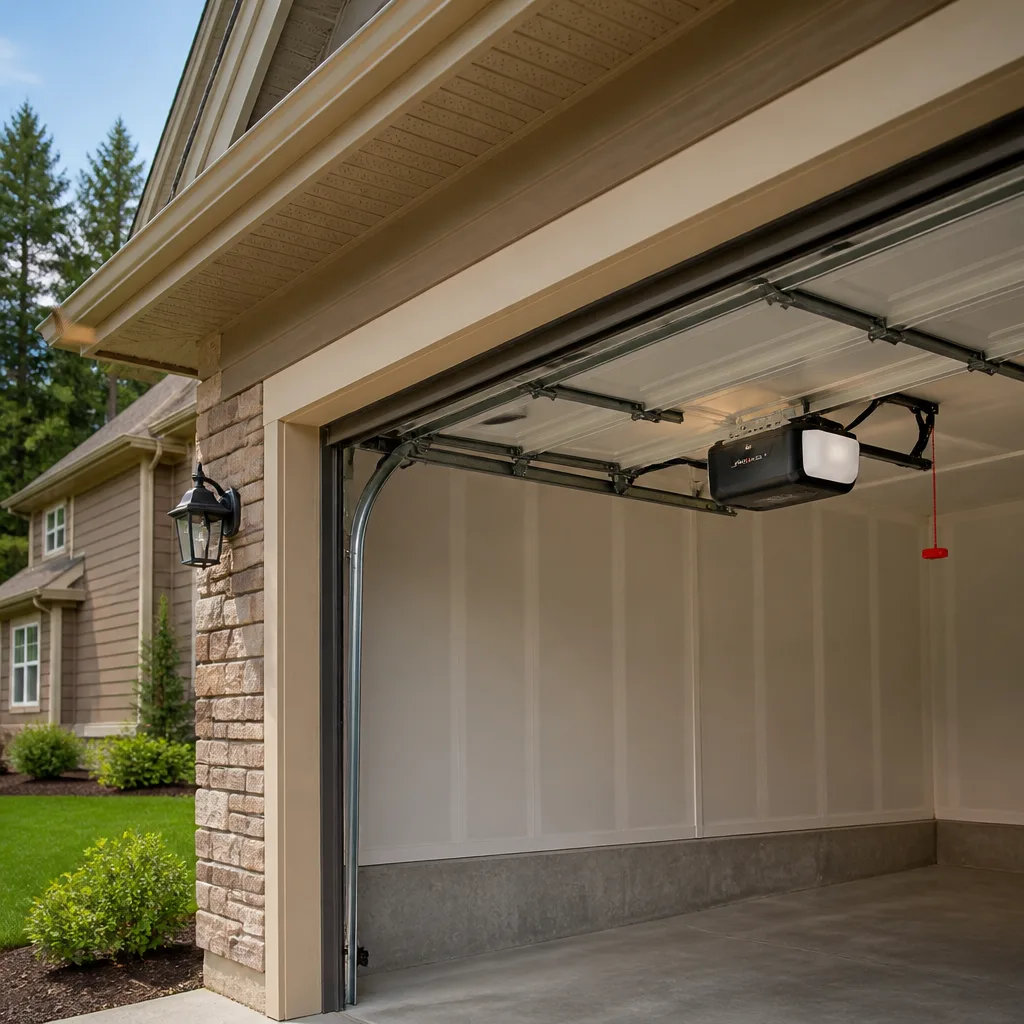 LiftMaster openers
 Chamberlain openers
Full 25-point door and opener safety check with every visit - springs, cables, rollers, tracks, and your LiftMaster or Chamberlain opener included
You get a price before we start. It does not change when the pro arrives.
Get your free estimateGarage Door Repair Maintenance Checklist for Commerce City Homeowners
Most homeowners treat their garage door the way they treat their water heater: it works, so they ignore it. Then a cold snap hits, the spring snaps with it, and the door is stuck shut with the car inside. Here’s the part many checklists miss. Spring steel loses flexibility when temperatures drop below 20°F, and February mornings in Commerce City regularly cross that line. A maintenance routine built for a mild climate doesn’t protect a door that lives through those swings. What follows is a checklist calibrated to what actually fails here, on the homes here. You’ll get a month-by-month schedule, the lubrication points most people skip, a balance test that actually works, and clear guidance on which jobs protect your warranty and which ones quietly void it.
Quick Answer
A working garage door maintenance checklist for Commerce City runs four tasks every month: lubricate the spring, hinges, and roller stems (not the tracks), test the door’s balance by hand, check the safety reverse, and inspect weatherstripping for wind damage. Twice a year, tighten all hardware and look at the springs and cables for wear. Below 20°F, cut back on opening cycles and watch for slow or jerky travel, because that’s when cold spring steel is most likely to fail.
Styles & brands we work with
- Raised-panel steel
- Carriage house
- Modern flush
- Full-view glass
- LiftMaster openers
- Chamberlain openers
Table of Contents
- Why a Commerce City Checklist Looks Different
- The Month-by-Month Schedule for This Climate
- Lubrication: The Points Everyone Misses
- How to Test Door Balance (and What Passing Looks Like)
- Testing the Safety Reverse System
- Weatherstripping for Windblown Debris and UV
- Which Tasks Protect Your Warranty and Which Void It
- Brand Differences That Change the Checklist
- Common Mistakes to Avoid
- When to Call a Professional
Why a Commerce City Checklist Looks Different
Generic garage door maintenance advice gets copied from one national page to the next. It assumes mild winters, clean weatherstripping, and an occasional tune-up. Commerce City doesn’t run on those assumptions. Winters here swing hard between warm afternoons and nights well below freezing, and that swing is exactly what works a torsion spring to fatigue. Add the gritty wind that deposits fine dust on every horizontal surface, and the summer UV that bakes a rubber seal brittle from May to September, and you have a door under real stress across all four seasons.
Housing factors matter too. Commerce City has a large share of attached-garage homes from the 1990s through the 2010s, many with standard 16-foot double doors and 7-foot heights. Those are workhorse doors, and they fail predictably when the spring, rollers, and hinges get neglected. Newer builds sometimes carry smart openers from LiftMaster or Chamberlain, which add their own maintenance layer: firmware and sensor alignment that a basic checklist never touches.
So this guide is built around what actually fails here, not around what a national template says. If you want a deeper walkthrough of a specific problem, our page on garage door repair covers the full range of failure modes, and the rest of this checklist stacks on top of that foundation.
The Month-by-Month Schedule for This Climate
You don’t need to do everything every month. You need the right task at the right time of year. Here’s the schedule we’d give a Commerce City homeowner with a standard residential door:
- January and February: Limit unnecessary open cycles when temps drop below 20°F. Check the spring for slow or jerky travel, and listen for a change in the door’s sound on open. Cold snap failures cluster in these weeks.
- March and April: Full lubrication pass. Check weatherstripping for cracks opened by the freeze-thaw cycle. Tighten all bolts and lag screws holding the track brackets and hinges.
- May and June: Test the safety reverse with a solid object. Check the photo-eye sensors for dust buildup on the lenses, especially after windy stretches. Clean and inspect the rollers.
- July and August: Inspect the bottom seal for UV hardening and cracking. Look at the door panels for heat-related warping on older wood or steel doors. Check the opener’s force settings if the door sounds strained.
- September and October: Pre-winter balance test and spring inspection. This is the month to catch a worn spring before the cold arrives. Re-lubricate everything that dried out over summer.
- November and December: Weatherstripping seal check and a full hardware tighten. Confirm the opener’s safety reverse works with the door cold, since performance can shift with temperature.
If you can only do one thing, do the October inspection. Catching a worn spring before January saves you an emergency call and a night spent with a door you can’t open. If the door does fail this winter, our team handles garage door opener repair and spring work that other contractors won’t touch.
Lubrication: The Points Everyone Misses
This is where most checklists fall short. They say “lubricate the door” and leave it there, so homeowners spray the tracks, hear a satisfying change in sound, and think they’re done. The tracks are the one component that should not be greasy. Rollers roll on the tracks; grease there attracts grit and turns the track into a sticky road. Here’s where the work actually belongs:
- Torsion spring: A light coat of garage door lubricant on the coils reduces internal friction and slows fatigue. This is the single most overlooked point, and it matters most in a Commerce City winter.
- Hinges: One drop on each hinge knuckle, worked in with a few open-close cycles.
- Roller stems and bearings: Lubricate the stems where they enter the hinge, not the roller face itself. The stems are what most people skip entirely.
- Bottom bracket bearings: Another commonly missed point, and worth a small amount of lubricant worked in gently.
- Opener rail and chain: Check the opener manufacturer’s guidance for your specific model before touching this, since chain versus belt differs.
Skip the tracks. If they’re noisy, the fix is usually a roller or hinge issue, not lubrication. Use a garage-door-specific lubricant rather than general-purpose oil or WD-40, which attract dust and can gum up over time. Twice a year is plenty for most doors; monthly in the deep winter if the door gets heavy use.
How to Test Door Balance (and What Passing Looks Like)
A balanced door is a door under control. An unbalanced one puts extra load on the opener and shortens the life of every component downstream. The test is simple, but most manuals get the expected result wrong. Here’s the actual method and the number that matters:
- Disconnect the opener by pulling the emergency release handle while the door is closed.
- Lift the door by hand to about halfway, roughly 3 feet off the ground.
- Let go and watch. A properly balanced door should hold roughly in place with very little drift. A small amount of movement is normal and not a failure.
- If the door sinks quickly, the springs are under-tensioned or wearing out. If it rises on its own, they’re over-tensioned or the drum is set wrong. Either way, do not adjust the springs yourself.
The number many manuals get wrong is the tolerance. Some say the door should hold perfectly. In practice, a balanced door can settle a few inches before stopping, and that’s fine. What’s not fine is a door that slams to the floor or shoots upward. Also worth knowing: a balance test in a cold garage will read differently from one in warm weather. Run it on a mild day for the cleanest result, and if you test in January, don’t overcorrect for a slight drift that may disappear in spring. If the door fails the test, that’s a job for a technician. For full door and opener diagnosis, our main page at Commerce City Garage Door Repair Pros walks through what we check.
Testing the Safety Reverse System
The safety reverse is the most important safety feature on your door, and it’s also the easiest to forget. It has two parts, and both need testing. Do this monthly.
First, the mechanical test. With the door open, place a solid object about the height of a 2×4 flat on the ground in the door’s path. Close the door using the wall control, not the remote, and watch. The door should reverse within a second of contacting the object. If it presses down, stop and adjust or call a technician.
Second, the photo-eye test. With the door open, wave a hand or a soft object across the beam between the two sensors at the base of the track. The door should reverse or refuse to close. If it doesn’t, check that the sensors are aligned (most have indicator lights that show alignment) and that the lenses are clean. In Commerce City, windblown dust coats these lenses faster than most homeowners expect. A dirty lens is the most common reason a door “suddenly won’t close.”
Never bypass a failed safety reverse. A door that doesn’t sense an obstruction is a door that can injure someone. If you can’t get it working, stop using the door and get it looked at.
Weatherstripping for Windblown Debris and UV
Weatherstripping does two jobs: keep weather out and keep the seal flexible. In this climate, both jobs get harder across the year. The gritty dust that blows through Commerce City works into the bottom seal and abrades it over time, and the strong summer sun bakes the rubber until it cracks. Here’s what to inspect and what to look for:
- Bottom seal: Look for flattening, cracks, and a gap between the seal and the floor when the door is closed. If you can see daylight under a closed door, the seal is failing.
- Sides and top: Check for loose or torn vinyl. Wind-driven debris can tear a seal that’s already UV-cracked.
- Jamb seals: The rubber flap along each side gets a lot of wear. If it’s curled or hard, it’s not sealing.
- Threshold: A worn threshold creates a gap that lets in snowmelt and dust. Not a garage door task exactly, but worth checking while you’re down there.
Replace weatherstripping when it’s cracked, hard, or not sealing. You can often do the bottom seal yourself, but side and jamb seals on a torsion-spring door need care with the door position. A seal that’s flat and dusty may just need cleaning. A seal that’s brittle and cracked is done, whatever it looks like from the driveway.
Which Tasks Protect Your Warranty and Which Void It
Most garage door warranties don’t cover everything, and a few common homeowner moves can void parts of the coverage. Knowing the difference between maintenance you can do and work that must be left to a technician protects your warranty and your safety.
Tasks that protect your warranty: Lubricating moving parts according to the manufacturer’s schedule, cleaning and testing the safety reverse, checking and tightening hardware, keeping the door balanced, and keeping the opener’s force settings within spec. These are the maintenance actions door manufacturers expect, and doing them on time helps you in any warranty claim.
Tasks that can void part of your warranty: Adjusting the torsion spring or drum yourself, replacing a spring with a part that doesn’t match the door’s rated cycle life, painting a factory-finished door without checking the finish specs, and modifying the opener or its wiring outside the manufacturer’s instructions. A mismatched spring is the most common warranty problem we see: it changes the door’s balance and loads the opener beyond its design.
The line is simple. Maintenance you can do. Repairs on the spring, cables, and opener internals go to a professional. For a full door replacement when the time comes, garage door installation is a scheduled job with a written estimate, not a same-day fix.
Brand Differences That Change the Checklist
Not every door and opener needs the same maintenance, and knowing what’s on your home changes the checklist. We’re factory-familiar with the major brands, which matters when a Clopay or Amarr steel door has different hinge spacing than a Wayne Dalton, or when a Craftsman opener has a different force-setting procedure than a LiftMaster.
On the door side, Clopay and Amarr steel doors generally hold their finish well but need the bottom seal checked every season, because the steel edge is where UV hits hardest. Wayne Dalton doors with their proprietary hardware have specific lubrication points that differ from the standard. On the opener side, LiftMaster and Chamberlain models often include safety features and smart connectivity that benefit from firmware awareness; Craftsman openers exist in many legacy configurations where the reverse-force test is the key maintenance item. Genie openers vary widely in age and model, and it helps to know which generation you have before setting the force.
The takeaway: find your door’s and opener’s model tags before you start the checklist, and match the maintenance to what you actually own. If you’re not sure what you have, a quick call can tell you.
Common Mistakes to Avoid
- Lubricating the tracks. It feels productive, but grease on the tracks attracts the gritty dust that blows through Commerce City and turns the track into a grinding mess. Lubricate the moving parts, not the tracks.
- Skipping the winter inspection. A spring that’s near the end of its cycle fails most often in a cold snap. An October check catches it before February does.
- Adjusting the torsion spring yourself. This is the most dangerous task on the checklist and causes serious injuries when done wrong. Leave it to a trained technician.
- Ignoring a dirty photo-eye sensor. A door that “won’t close” is often just a dusty lens. Clean it before assuming the opener is broken.
- Replacing a spring with the wrong part. A mismatched spring over-tensions the door and loads the opener. Match the door’s rated cycle life.
- Painting without checking the finish. Some factory finishes don’t accept standard paint. Check the manufacturer’s guidance first, or your warranty may not cover the result.
- Waiting for a small noise to become a big one. A rubbing or grinding sound is usually a wearing roller or hinge. Fix it while it’s cheap.
When to Call a Professional
Some jobs are maintenance. Some are spring work, and spring work is where the serious injuries happen. Call us when the door fails the balance test, when the spring looks stretched, rusted, or has a gap in the coil, when the door jumps or travels unevenly, or when the opener strains or reverses unexpectedly. Call us if the safety reverse fails and you can’t fix it with a cleaning. And call us if a spring has actually broken; that’s not a job to attempt, and it can’t wait for a routine appointment.
Commerce City Garage Door Repair Pros offers free estimates in Commerce City. Our technicians have up to 13 years of experience, and we work on the brands already on your home, from Clopay and Amarr doors to LiftMaster, Chamberlain, Genie, and Craftsman openers. The price is quoted and agreed before any work starts. For an exact figure, call (833) 482-6835. We answer 24/7. Fast dispatch from 7am to 7pm, Sunday through Friday.
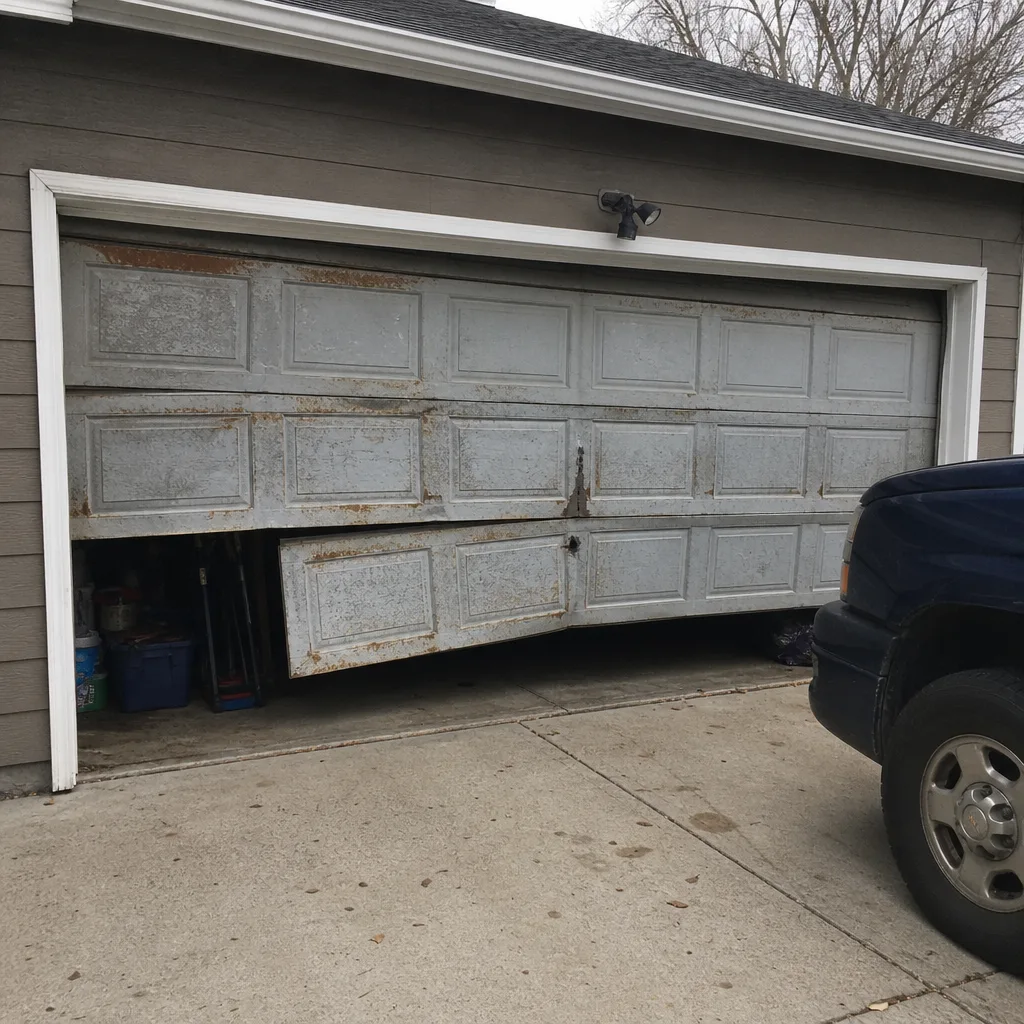
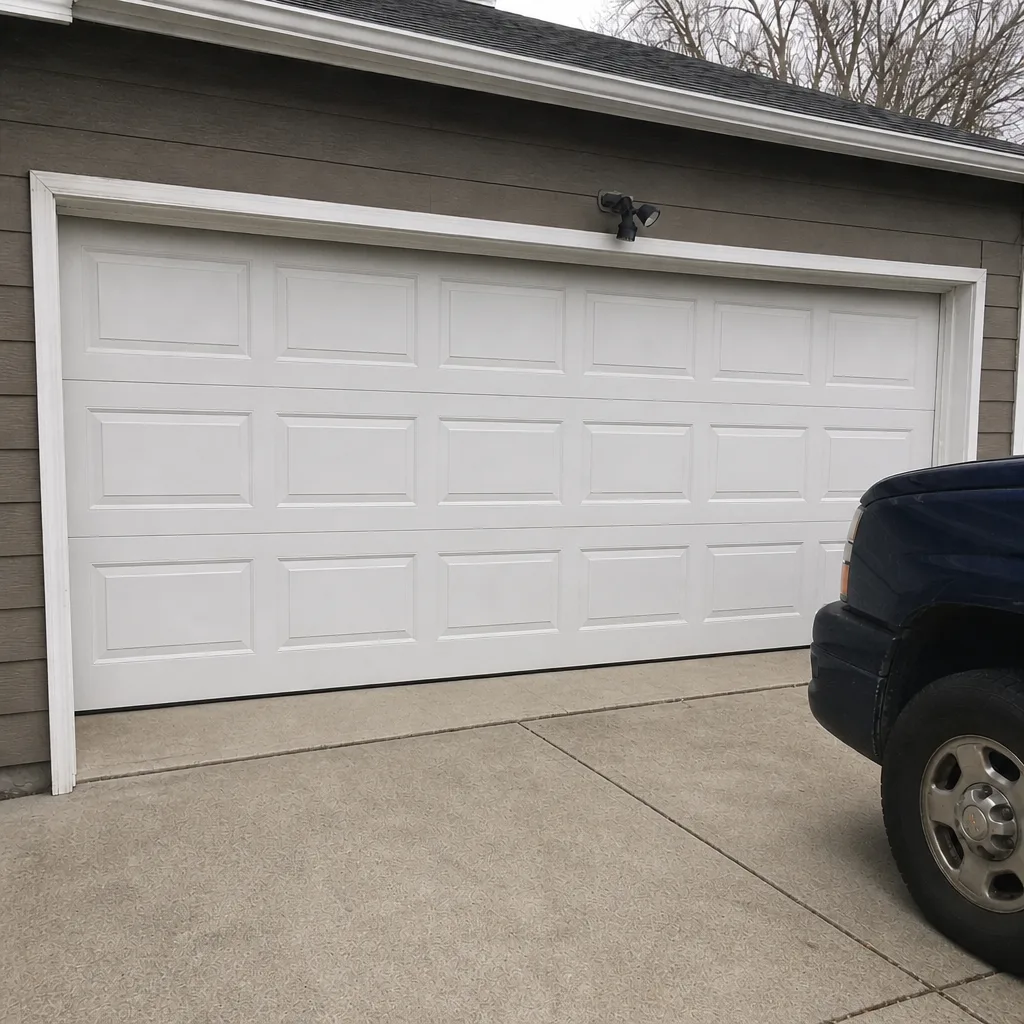
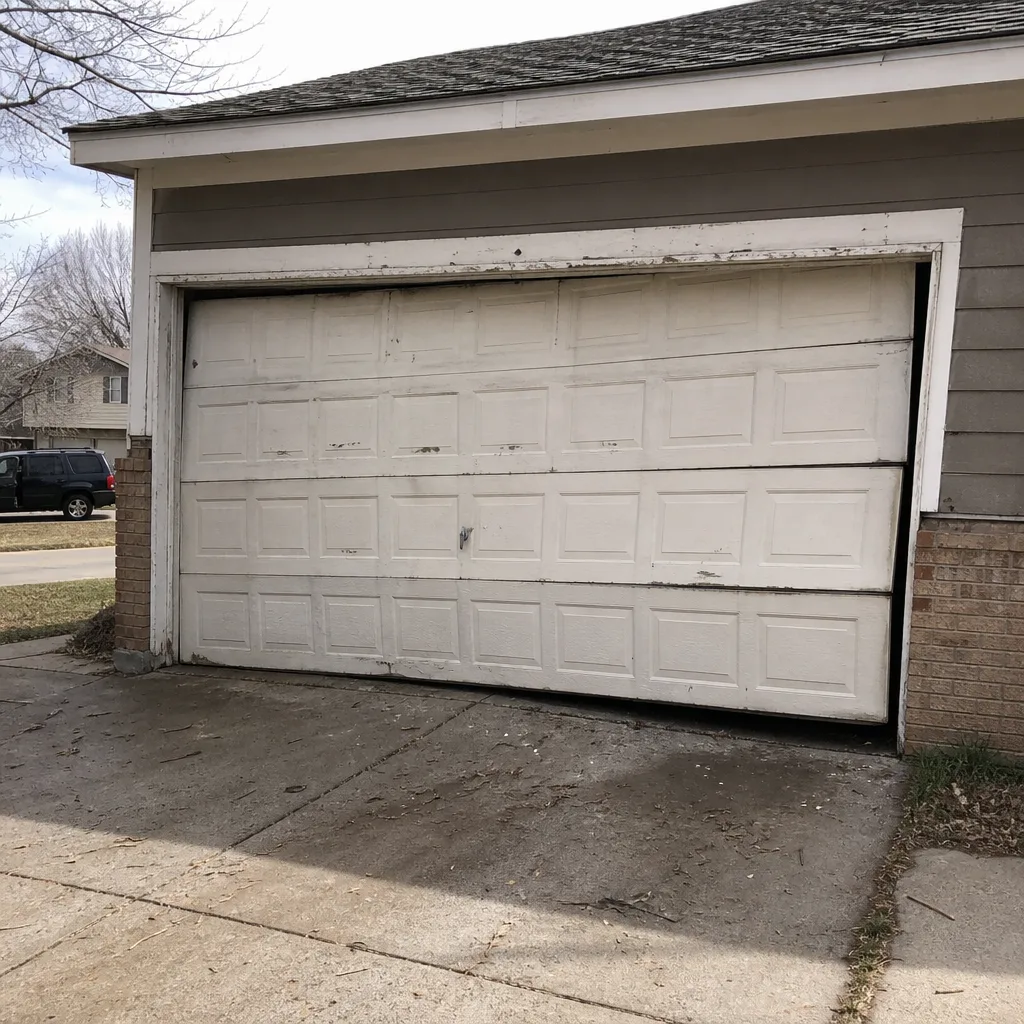
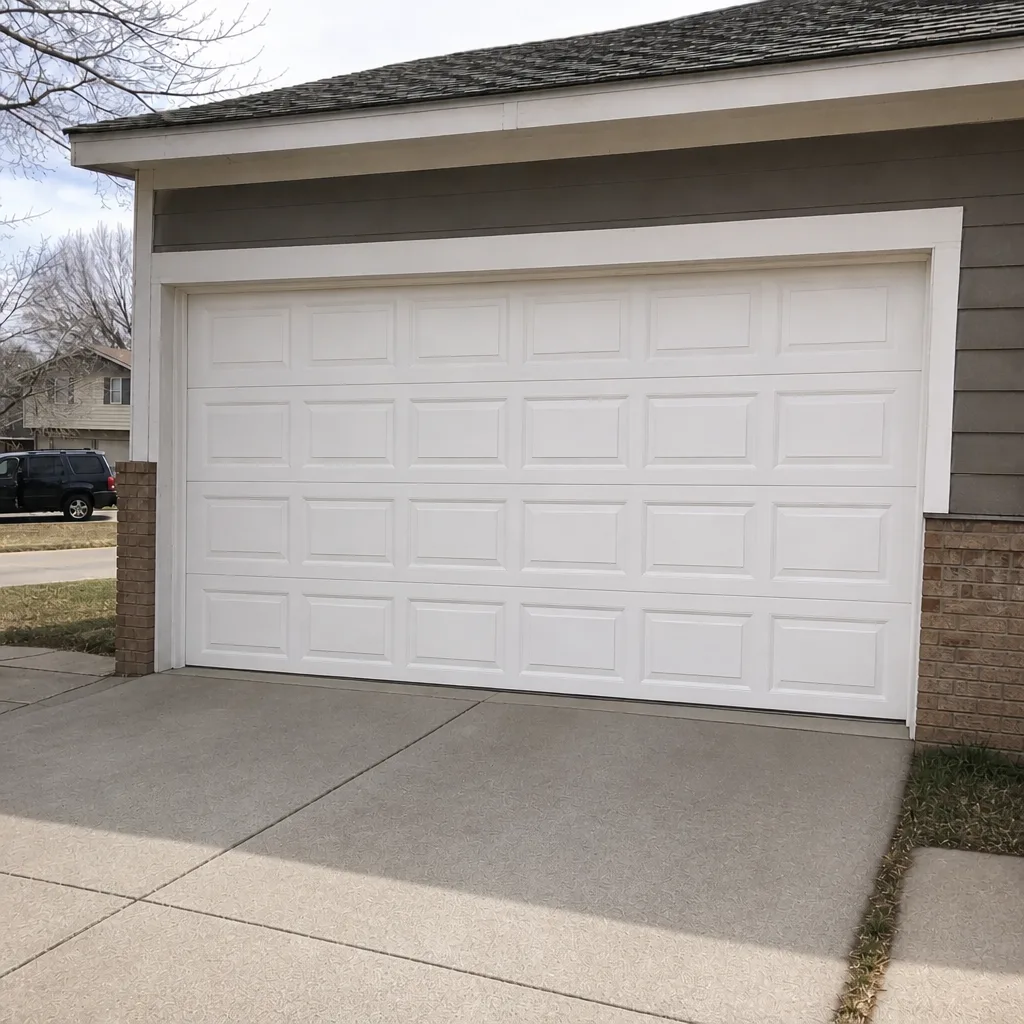
See the difference
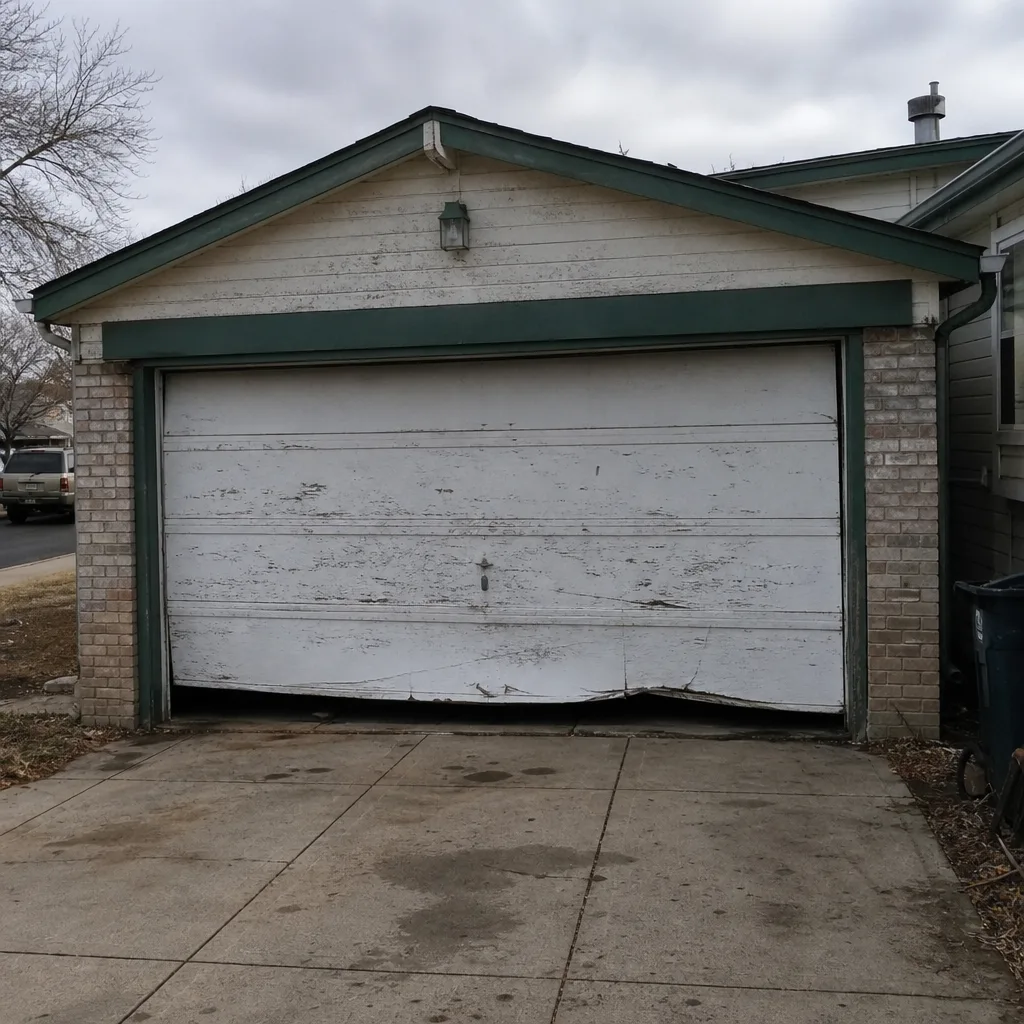 Before
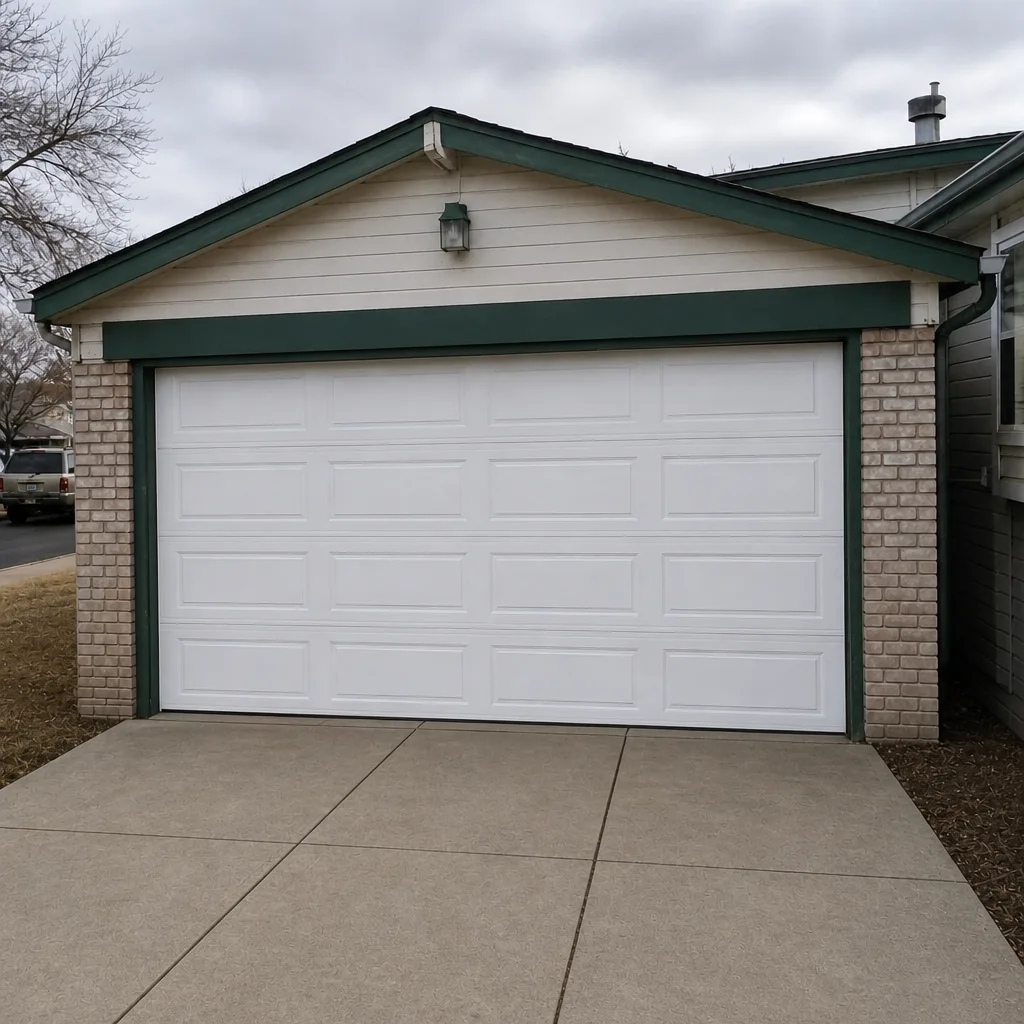 After
 Before
 After
 Before
 After
Frequently Asked Questions
Twice a year is standard, with an extra pass in December if the door gets heavy use. Below 20°F, spring steel loses flexibility, so keeping the coils lightly lubricated in winter reduces friction and slows fatigue. Focus on the spring, hinges, and roller stems, and skip the tracks.
No. Torsion and extension springs are under high tension, and a spring that releases unexpectedly causes serious injury. This is the most dangerous repair on the door. Replace a spring through a trained technician, and never attempt it because a video made it look simple.
A cold-snap failure usually means one of three things: the spring is worn and can’t balance the door in the cold, the opener’s force setting is at its limit, or the door is binding where the track has shifted. Start by cleaning the photo-eye sensors, then test balance. If the door fails balance, get it looked at before it fails completely.
A balanced door should hold roughly in place when you release it at about 3 feet off the ground, drifting a few inches at most. A door that sinks quickly or rises on its own has a spring problem. Do not adjust the springs yourself.
Often, yes. The grit that blows through Commerce City abrades the bottom seal, and strong summer UV hardens it faster than in mild climates. Check the seal every season for cracks and daylight gaps, and replace it when it’s brittle rather than waiting for a draft.
Routine maintenance like lubrication, safety reverse testing, and hardware tightening protects your warranty. Adjusting the torsion spring, replacing it with a mismatched part, or modifying the opener outside the manufacturer’s instructions can void coverage. Keep a record of what you did and when.
The Bottom Line
A maintenance checklist isn’t a chore list, it’s a conversation with your door. Run the balance test, lubricate the spring and hinges (not the tracks), clean the photo-eye lenses, and inspect the weatherstripping every season. Do the heavier checks in October and March, and watch for slow travel when temps drop below 20°F. Those habits catch most spring failures before they strand you, and they keep your warranty intact. The jobs that need a technician are the spring, the cables, and the opener internals. If you’ve got one of those, or you’d rather have a professional run the full checklist, we’re a call away.
Call (833) 482-6835 for a free estimate. We answer 24/7. Fast dispatch from 7am to 7pm, Sunday through Friday. Most repairs completed in a single visit, and the price is set by the written estimate before any work begins.
Written by the team at Commerce City Garage Door Repair Pros.